BATCH-6481 · filed
China NMPA Opens Comment Window on Cosmetics STSC Revisions
China's NMPA has opened a public comment window on the implementation of revisions to the Safety and Technical Standards for Cosmetics, according to regulatory consultancy CIRS Group. The consultation determines transition rules and procedural questions ahead of the revised techn
By James Calloway · · 3 min read · 589 words
Composition
- NMPA opened a public comment window on implementation of STSC revisions, per CIRS Group reporting.
- STSC sits beneath the Cosmetics Supervision and Administration Regulation, effective January 1, 2021.
- Past STSC revisions have adjusted positive lists, prohibited substances and test methods; the comprehensive prior version dates from 2015.
- Comment periods for major NMPA technical standards have historically ranged from 14 to 30 days, according to CIRS Group.
- Reviews since 2021 have aligned parts of the STSC with ISO Technical Committee on Cosmetics working group output.
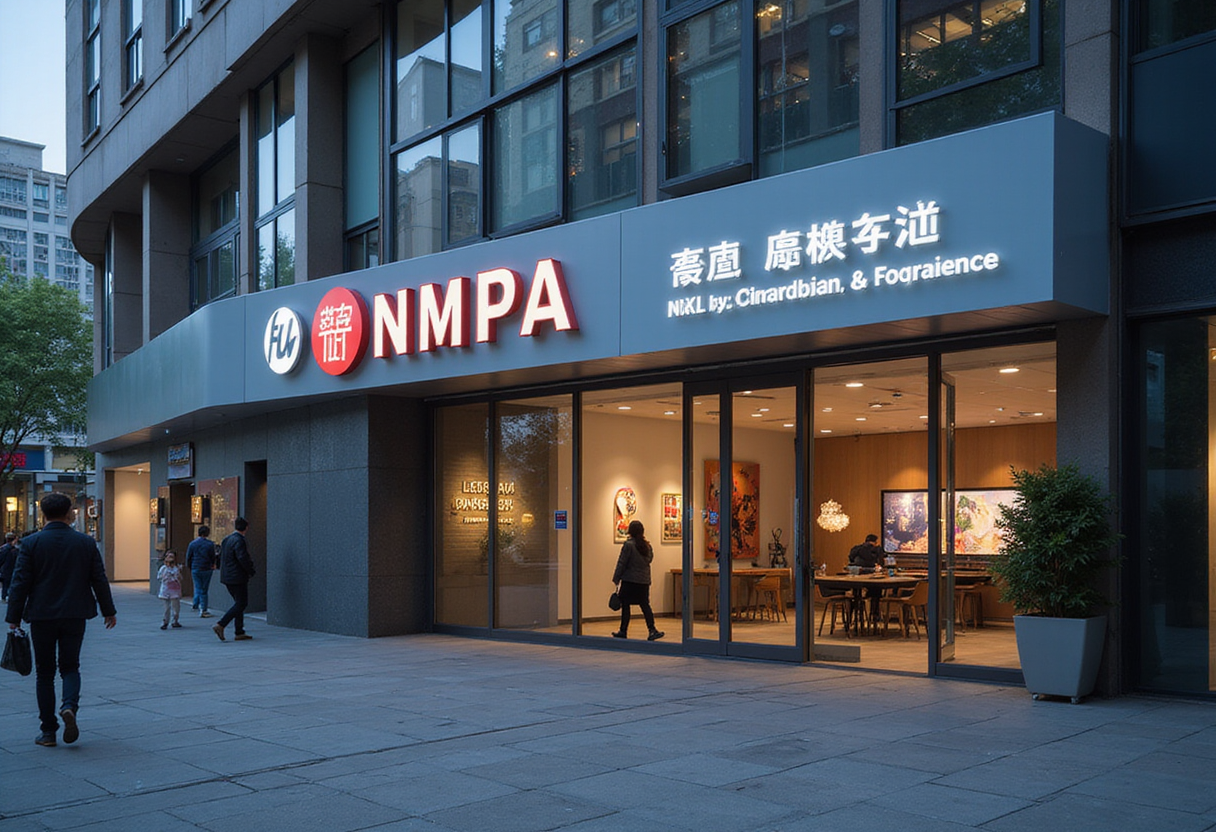
China's National Medical Products Administration (NMPA) has opened a public comment window on the implementation of revisions to the country's Safety and Technical Standards for Cosmetics (STSC), according to regulatory consultancy CIRS Group. The framing — implementation rather than substance — directs industry attention toward transition timing and procedural questions surrounding the upcoming technical changes.
The STSC functions as the technical backbone of China's cosmetics regulation, sitting beneath the Cosmetics Supervision and Administration Regulation (CSAR) effective January 1, 2021. It sets the binding list of prohibited substances, restricted ingredients with permitted concentrations and use conditions, positive lists for preservatives, UV filters, colorants and hair dyes, and the analytical methods used for safety and stability assessment.
Any change to the STSC therefore ripples downstream into product registration dossiers, GB testing protocols and the raw material specifications used by manufacturers importing into or producing for the Chinese market.
What does a STSC revision typically cover?
Past revisions — including the comprehensive 2015 version that preceded CSAR — have adjusted the four positive ingredient lists, expanded prohibited-substance entries to reflect newly identified hazards, modernised microbiological and stability test methods, and added or replaced techniques for heavy metal and banned-dye screening.
Reviews since 2021 have increasingly aligned the standard with international approaches, partly through participation in ISO Technical Committee on Cosmetics working groups, while preserving China-specific restrictions on ingredients such as certain whitening actives and hair-dye couplers.
What work streams does a revision trigger?
For formulators and compliance officers, a revision usually translates into three concrete work streams: formula audit against the new lists, retesting under updated analytical methods, and renewal of GB-standard test reports that carry expiry dates tied to the underlying method.
An ingredient removed from a permitted category or newly capped in concentration forces reformulation. Certificates of Analysis issued under a now-superseded procedure must be regenerated, and the cost impact falls directly on dossier re-submissions.
How does the public comment window work?
NMPA's consultation documents normally accompany the draft revised STSC text, an explanatory note describing the rationale for each change, and a structured comment template. Submissions are accepted from domestic and overseas stakeholders, including manufacturers, trade associations and the consultancy sector.
CIRS Group is among the most active filers, with separate comment tracks maintained for cosmetic raw-material suppliers and finished-product brands. Comment periods for major NMPA technical standards have historically ranged from 14 to 30 days, though the cutoff for this round has not been disclosed in the materials cited by CIRS.
Where should brands focus their comments?
Brand owners reviewing the draft should concentrate on the use-condition notes attached to UV filters, preservatives and colourants. Those notes dictate permitted product type, maximum concentration, label warnings and the "conditions for use" entry in the safety assessment file — and they tend to be the section most likely to shift between drafts.
What happens after comments close?
Once NMPA closes the consultation, the agency reviews submissions, revises the draft and issues the final STSC update, typically with a defined implementation window. Earlier revisions have included transition periods during which existing inventory could continue to be sold under prior rules. The depth of the technical change typically dictates transition length.
The earliest practical milestone for industry to track is the final revised text and its effective date. Companies with active CSAR filings should expect a documentation refresh once that date is set, and procurement teams should confirm with contract manufacturers whether in-stock bulk batches pre-date the new positive-list conditions.
via Google News - Cosmetic Ingredient (Source)
More from James Calloway
Cross-references · Related articles
- China Set to Enforce 12 New Cosmetic Testing Methods on March 1, 2026
- South Korea Updates Methods for Prohibited Cosmetics Ingredient Testing
- Six New Cosmetic Ingredients Filed in China, CIRS Reports
- China May Extend Registration to New Chemicals in Finished Cosmetics
- NMPA Puts Permitted Hair Dye List on Fast-Track in 27-Standard Push
End of monograph · 3 min read