BATCH-2780 · filed
CeraVe survey: only 22% of Europeans use barrier products despite 81% awareness
By Sophie Lindqvist · · 2 min read · 493 words
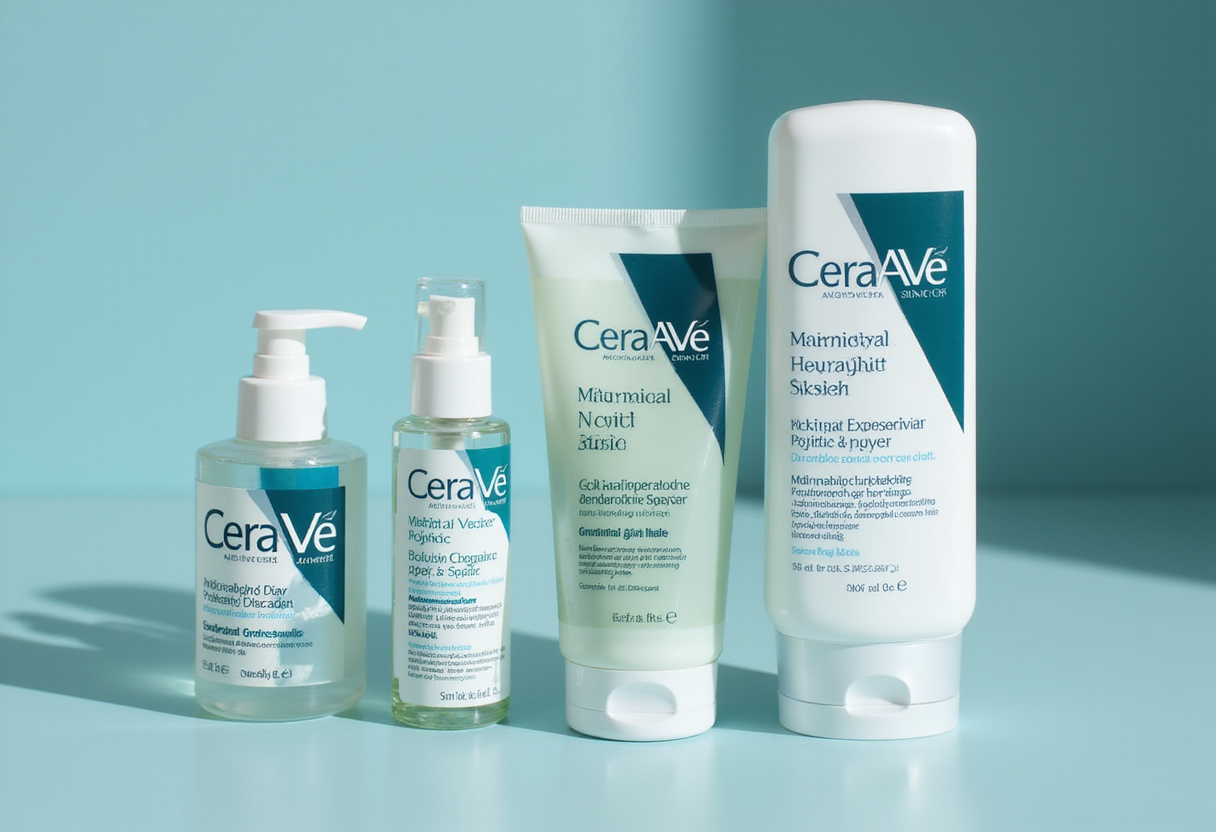
CeraVe has presented European Academy of Dermatology and Venereology (EADV) Congress data showing that 22% of adults across the UK, France, Germany, Italy and Spain use products specifically designed to support the skin barrier, even though 81% recognise the need to protect skin beyond UV exposure.
What did the CeraVe research find?
The L'Oréal-owned skin care brand surveyed approximately 6,000 adults across the five European markets. Among the headline figures:
- 47% said their skin is more sensitive than it was five years ago
- 50% reported dryness linked to their environment or changing weather
- 81% are aware of the importance of protecting the skin barrier beyond UV
- 22% use products specifically formulated to support the skin barrier
The data was presented at the EADV Congress in Vienna last week and frames environmental aggressors — heat, humidity, shifting weather patterns and air pollution — as the next consumer-education frontier for dermocosmetics.
Why is the gap so wide?
Gene Colon, Global Senior VP of Medical Relations and Communications at CeraVe, attributed the disconnect to a UV-centric skincare culture. "Everyone understands UV exposure, but pollution, climate, hot, cold, humidity — these can affect the skin," he said. "Only 22% are doing anything specific in terms of protecting their skin barrier."
The implication for formulators and brand marketers is straightforward: awareness of barrier integrity has moved into the mainstream, but the category's daily-use product repertoire — ceramide-dominant moisturisers, niacinamide-led serums, barrier repair creams — has not yet matched that recognition. Treatment menus in clinics and retail shelves both face an education problem.
Why India now?
CeraVe is treating India as a learning ground for environmental skin care. Indian consumers operate against a backdrop of high humidity, monsoon-driven humidity swings, particulate pollution and intense heat — conditions Colon described as "a new thing globally."
For multinationals expanding into South Asia, the move signals that environmental skincare claims, particularly around pollution defence and barrier resilience, will need localised substantiation rather than transplanted European clinical language.
What does this mean for product development and compliance?
- Formulation briefs should anticipate claims covering thermal stress, humidity adaptation and particulate exposure, not just UV and pollution.
- Clinical study design will likely need to incorporate biomarkers for barrier function (TEWL, ceramide profiling) under non-UV stressors to support those claims in regulated markets.
- Retail and clinic positioning can use the 22%/81% split as a baseline benchmark when educating consumers on barrier actives.
- Regulatory teams in the EU and UK should expect the next wave of cosmetic claims dossiers to reference environmental stressor panels, an area where SCCS guidance remains sparse.
What to watch next
Expect CeraVe to publish the full methodology and country-level breakdowns from its 6,000-respondent panel, alongside India-focused consumer insights likely tied to a 2026 launch or partnership push. The next data point to monitor is whether barrier-product usage in Europe moves above the 22% baseline following the brand's awareness campaign rollout.
via hpcimedia.com (Original)
More from Sophie Lindqvist
Show full bio
Market editor covering marketplaces and e-commerce at INCI File.
78 articles
Cross-references · Related articles
- CeraVe turns to India for environmental skin care insights
- Formulating Forum: Climate-Adaptive SPF and Bio-Based Water Resistance
- Kao Takes Curél into the Nordics, Extending EMEA Skincare Push
- Skin Longevity Takes Center Stage at in-cosmetics Asia 2026 in Bangkok
- Clinique Targets Uber-Sensitive Skin With Daily Calm Line
End of monograph · 2 min read