BATCH-3360 · filed
Calamansi peel waste reformulated as biodegradable microbead candidate
A Frontiers formulation study converts calamansi peel waste into biodegradable microbeads, adding a citrus-processing side stream to the search for polyethylene scrub substitutes.
By Rebecca Stone · · 3 min read · 594 words
Composition
- Paper title: 'Waste utilization and optimization of calamansi peels: a formulation study on biodegradable microbeads'
- Publisher: Frontiers
- Feedstock: calamansi (Citrus microcarpa) peel waste from Southeast Asian juice processing
- Application: biodegradable microbead substitution for polyethylene and polypropylene scrub particles
- Method signaled by the 'optimization' framing: design-of-experiments workflow tuning drying, particle size, binder loading and surface treatment
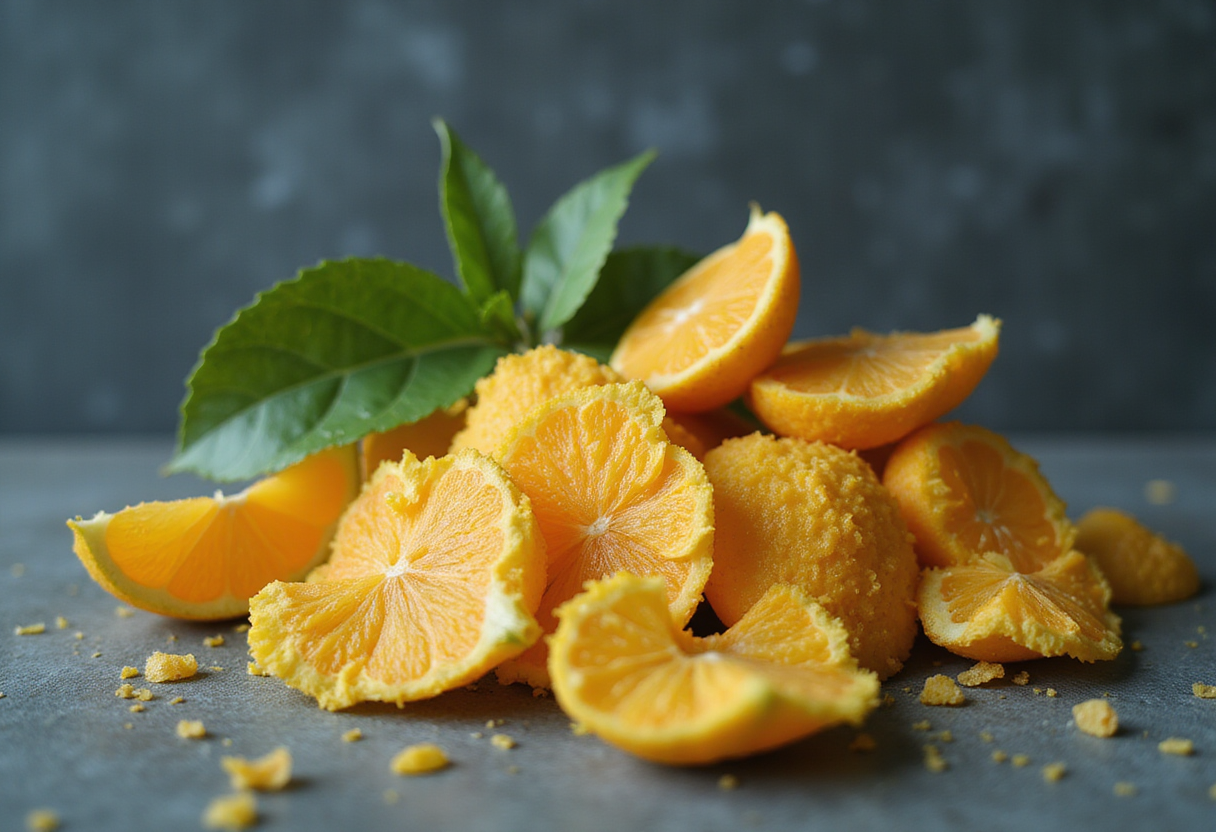
A formulation study published in Frontiers turns calamansi (Citrus microcarpa) peel waste into biodegradable microbeads, positioning the work as a substitution candidate for the synthetic plastic scrub particles facing phase-out pressure in rinse-off cosmetic products.
The paper, "Waste utilization and optimization of calamansi peels: a formulation study on biodegradable microbeads," sits at the intersection of two industry currents now reshaping cosmetic ingredient briefs: agricultural side-stream valorization and the search for biodegradable alternatives to polyethylene-based exfoliant particles. Each current pulls a different audience — R&D teams, procurement, and compliance officers reading the same study for three different reasons.
What is the work trying to replace?
The microbead segment under regulatory pressure is dominated by polyethylene and polypropylene. The European Chemicals Agency's REACH restriction on intentionally added microplastics, the US Microbead-Free Waters Act, and parallel national bans across Asia have narrowed the legal window for plastic scrub particles in face washes, body washes and toothpastes. The result is a procurement problem wearing a sustainability label.
Substitutes already in commercial use include cellulose, rice bran, walnut shell, apricot stone and jojoba esters — each carrying its own trade-off between scrub aggressiveness, color stability and biodegradation profile. The calamansi peel study adds a citrus-processing waste stream to that candidate list.
Why calamansi peels as a feedstock?
Calamansi — also marketed as calamondin — is grown and juiced at scale across the Philippines, Vietnam and Indonesia, generating substantial peel residue during concentrate, cordial and beverage production. The peel matrix is pectin- and lignocellulose-rich and retains residual essential-oil fractions, including limonene and citral. Those compounds can complicate both oxidation stability and fragrance load in a finished scrub, and the study's optimization framing suggests the authors have worked to manage them.
The word "optimization" in the title points to a design-of-experiments workflow: tuning drying method, milling range, binder loading and surface treatment to hit scrub performance and disintegration behavior suitable for a rinse-off format. Such studies typically screen three to five independent variables against response targets including hardness, hydration stability and abrasive index.
What does this change for formulators and procurement?
For an R&D team, a new biodegradable microbead must clear three gates before reaching a scrub formulation: skin and eye irritation data, ready-biodegradability evidence under OECD 301-series protocols, and surfactant-system compatibility in the finished base. The Frontiers paper addresses the upstream tier — feedstock selection and particle engineering — not those downstream tests. Formulators evaluating the work for commercial use will want follow-on publications covering toxicology, ecotoxicity and surfactant stability in anionic bases such as SLS and SLES.
Upcycled-ingredient positioning also carries labeling exposure. "Biodegradable" has no harmonized regulatory definition in the EU or US, and marketing claims built on the term remain an enforcement target under the EU's green-claims directive and parallel national frameworks, particularly for rinse-off formats that wash directly into wastewater streams.
For procurement, a calamansi-derived feedstock adds a Southeast Asian citrus supply line distinct from the Mediterranean and North African origins that currently dominate cosmetic citrus raw materials. That diversification matters for buyers hedging single-region sourcing concentration — and for sustainability leads tracking Scope 3 footprint per kilogram of peel-derived material.
What to watch next
The next data points worth tracking are full OECD 301B biodegradation percentages, particle-size grades that match commercial exfoliation windows (typically 100–1000 µm), and a toxicology package sufficient for a finished product safety assessment. Until those arrive, calamansi peel microbeads remain a formulation concept rather than a stocked INCI entry.
via Google News - Cosmetic Formulation (Source)
More from Rebecca Stone
Show full bio
Staff writer covering industry trends and analytics at INCI File.
91 articles
Cross-references · Related articles
- Formulating Forum: Natural Rheology Modifiers Take Center Stage in Sustainable Cosmetics
- L'Oréal Eyes $1M EPR Savings as California, EU Packaging Rules Hit
- Reformulation Pressure: Performance, Sensoriality and Sustainability Collide
- Fully biobased composite enters cosmetic packaging research
- Grolman Group to Distribute Seprify Cellulose Ingredient Across Europe
End of monograph · 3 min read