BATCH-6098 · filed
BYORBE launches barrier-first lip care on 2 November
Tiffany Salmon-Mills is launching BYORBE on 2 November, pairing two lip-care products with a barrier-first position built around acne and aesthetic treatments.
By James Calloway · · 3 min read · 687 words
Composition
- BYORBE launches on 2 November, with two products available for pre-order at byrobe.com.
- Tiffany Salmon-Mills is Glow Hub founder and CEO and creative director at family cosmetics manufacturer Amelia Knight.
- The two products are designed to work in tandem to restore and support lips through acne, aesthetic treatments and day-to-day life.
- Salmon-Mills says BYORBE is “protection from modern skin treatments” and cites Roaccutane, retinol regimens and lip filler as target situations.
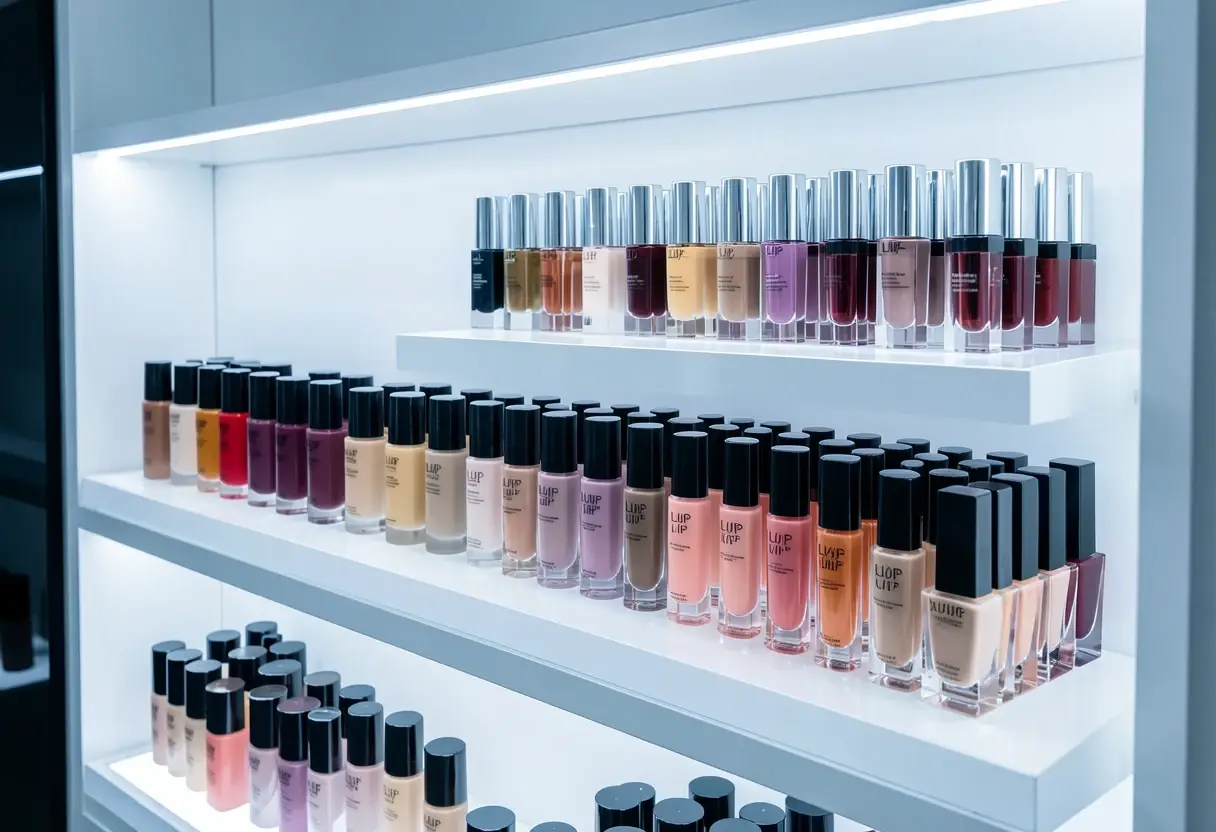
BYORBE, the new barrier-first lip-care brand from Glow Hub founder and CEO Tiffany Salmon-Mills, launches on 2 November with two products available for pre-order through byrobe.com.
Salmon-Mills also works as creative director at Amelia Knight, the cosmetics manufacturer run by her family. That dual position places her between consumer proposition and manufacturing capability, although the announcement does not specify which company will produce the range or which formulations will reach market.
The launch begins with two products designed to work in tandem, restoring and supporting lips through acne, aesthetic treatments and everyday exposure. That is a narrow opening for a category remake, and a concrete test of whether consumers will pay for protection rather than hydration alone.
What is BYORBE putting at the center of lip care?
The idea arrived through a failed recommendation. Asked to suggest an existing lip treatment, Salmon-Mills found none that addressed repair and protection comprehensively.
“There is nothing that is there to treat lips and protect them from everything that we put them through,” she said.
Her criticism is not that lip products hydrate poorly. It is that the category has trailed the pace of facial skincare innovation, with lip development treated as an afterthought. BYORBE moves instead toward shielding the lip area from harsh active skincare ingredients, while supporting recovery from treatments including Roaccutane, which she says often leaves lips dry and cracked.
The proposition, then, is protection plus restoration. Hydration alone does not define it.
Why acne and aesthetic treatments matter
Salmon-Mills defines the brand’s role plainly: “Our whole ethos is we are protection from modern skin treatments.”
She cites retinol in a skincare regimen and lip filler among the situations the range must address, alongside professional and post-aesthetic treatment. Her rationale rests on a structural difference she considers important: the lip barrier is thinner than the facial skin barrier, making lips more vulnerable to the demands of treatment and active skincare.
For product development, that brief calls for a companion product with a defined job during procedure-led regimens, not an optional extra added at checkout. For clinics and treatment professionals, it creates a potential aftercare placement built around a known discomfort: dry, cracked lips associated with acne treatment.
That reasoning identifies use cases; it does not demonstrate clinical efficacy. The announcement supplies no study results, testing protocol or evidence that the products prevent treatment-related damage. Clinicians should read the claim as positioning until substantiation appears.
The commercial bet is simple. Treatment creates a need, and protection arrives alongside it.
What must formulators, buyers and compliance teams verify?
The announcement provides the launch date, website and product count, but stops short of commercial and formulation essentials:
- Individual product names and their division of repair, protection and support roles.
- INCI ingredient lists, concentrations and the evidence supporting each claim.
- Pack sizes, recommended use and pricing.
- Details of the clinical or consumer testing behind the barrier-first promise.
- The relationship, if any, between BYORBE’s two complementary products and the broader Amelia Knight portfolio.
Those omissions do not settle the concept’s merit. They do mean that formulators cannot yet compare the approach with established lip-barrier systems, while buyers cannot assess price per use or make a compliance-ready claim assessment.
The next question is not whether lips need more hydration. It is whether these formulas deliver substantiated protection for specific treatment moments.
What should the industry watch on 2 November?
BYORBE’s first commercial release will consist of two complementary lip-care products sold through byrobe.com, with pre-order already available. The test is whether the range converts a broad protection story into clearly described products that beauty buyers and practitioners can position credibly in a treatment menu.
Salmon-Mills has supplied the category gap, the target customer situations and a coherent reason to care. The products have yet to supply the formula, the data and the details.
The next checkpoint is the 2 November launch: buyers will need the two product names and ingredient lists to judge the barrier-first proposition on formulation rather than positioning.
via Cosmetics Business (Source)
More from James Calloway
Show full bio
Senior reporter covering money, funding and market shifts around professional skincare and cosmetics industry at INCI File.
141 articles
Cross-references · Related articles
- Lip cosmetics regulatory 'blind spot' flagged by safety experts
- SkinMedica Rolls Out Two Barrier-Support Products for Summer
- Lip Cosmetics Safety Testing Lags Behind Usage Reality, Reviewers Warn
- Lipoid Kosmetik launches natural depigmentation active
- Vectorization moves to the center of active delivery design
End of monograph · 3 min read