BATCH-7867 · filed
At-home microneedling devices redraw the cosmetic-medical regulatory line
At-home microneedling devices have reshaped the cosmetic-medical border over five years. Brands selling rollers, stamps and pens must reconcile cosmetic claims with a tool that physically punctures the skin.
By James Calloway · · 3 min read · 605 words
Composition
- At-home microneedling adoption has grown over the past five years
- Devices use very fine needles to create micro-perforations in the skin
- Marketed claims target acne, skin texture, rejuvenation and fine lines
- Industry created at-home prototypes specifically to avoid medical-approval requirements
- Regulators across different frameworks worldwide are now redrawing the cosmetic vs medical-device boundary for the category
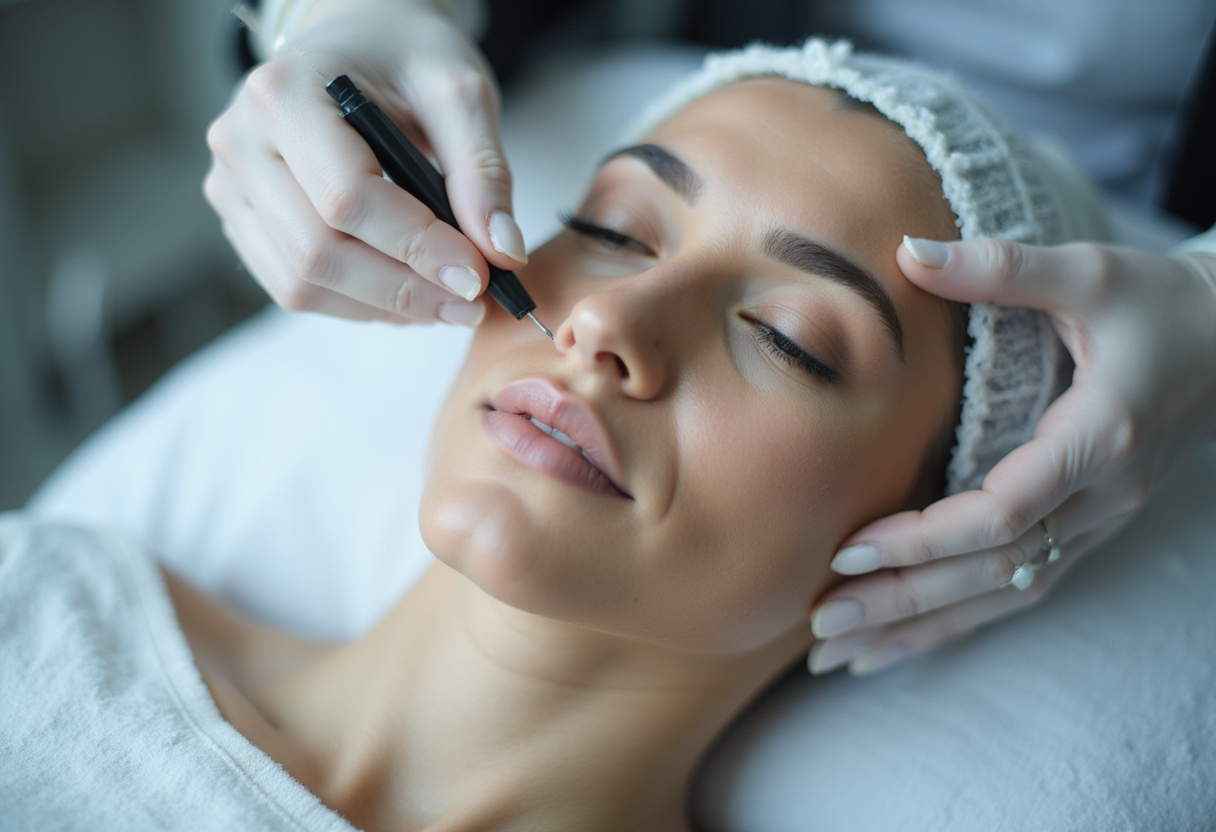
At-home microneedling devices — needle-tipped rollers, stamps and pens sold directly to consumers without a clinic visit — have reshaped the cosmetic-medical regulatory border over the past five years, forcing brands to choose between two compliance paths that share almost no paperwork.
Microneedling works by creating micro-perforations in the skin with very fine needles, a mechanism suppliers credit with enhanced penetration of active ingredients, faster visible results, and a healing response that may stimulate collagen production. The procedure moved from dermatology offices to consumer bathrooms as demand grew for at-home alternatives that mimic the in-clinic experience without requiring medical approval.
What does the device actually do?
The marketed promise is consistent across the category. At-home microneedling products and their companion formulations claim to:
- Improve acne and post-acne marks
- Refine skin texture
- Support skin rejuvenation
- Reduce the appearance of fine lines
The mechanism, however, is the same as the professional version. A needle cartridge punctures the skin, and the cosmetic serum that follows is positioned as penetrating deeper than it would through intact skin.
Why does regulation diverge?
The regulatory question is not what the device does but the intended purpose written on the label. A cosmetic product is regulated for cleansing, beautifying, or protecting the skin surface. A medical device, by contrast, is regulated for diagnosis, prevention, monitoring, treatment, or alleviation of disease — or for acting on the structure and function of the body.
A handheld roller marketed for "radiance" and "absorption boost" can sit on the cosmetic side. The same tool, with a leaflet claiming acne treatment, scar remodeling, or mechanical wrinkle reduction, is a different regulatory animal. The convergence between cosmetic formulations and skin-puncturing technologies is the precise line regulators are now testing.
What does that mean for product development?
For brands selling microneedling tools, formulation work and device compliance work now run in parallel rather than sequentially. The product file must reconcile:
- The needle length, tip geometry, and material on the device side
- The INCI list, claim wording, and concentration ceilings on the cosmetic side
- The marketing copy that ties the two together
A claim on the carton is the most common point of regulatory friction. Phrases such as "treats acne scars" or "boosts collagen synthesis" carry medical-device undertones even when the formulation is fully cosmetic. Regulators across different frameworks worldwide have approached the boundary differently, but the trend is consistent: more documentation, more clinical evidence, narrower claim space.
What changes for professional buyers?
Aesthetic clinics, med-spas, and dermatology practices buying microneedling equipment for in-clinic use now operate on a heavier compliance track than consumers. Professional-grade devices typically require a documented quality management system, technical files covering the device mechanism, clinical evaluation or literature review supporting the claimed indications, and post-market surveillance with adverse-event reporting.
Retail buyers of consumer-grade rollers face a lighter file, but the products they pair with a microneedling tool — serums, ampoules, masks — fall under the same cosmetic regulation as any other skincare SKU.
What to watch next
The category's next inflection point is regulatory guidance, not technology. Frameworks governing the cosmetic-medical border are being revisited in multiple jurisdictions, and any clarification specific to microneedling devices — particularly a needle length threshold or a definition of "skin penetration" claims — would reset label design and product filings for a significant share of the at-home segment.
Brands preparing 2025-2026 launches should map their current claims against the most conservative regulatory reading and budget for the day a regional authority issues a definitive line on where a cosmetic roller ends and a medical device begins.
via hpcimedia.com (Original)
More from James Calloway
Cross-references · Related articles
- Medscape Flags Adverse Events Tied to At-Home Microcurrent Devices
- SkinStylus Cleared by FDA for Periorbital Wrinkles in All Skin Types
- FDA Clears Radiesse for Décolleté Wrinkles in Injectable Expansion
- SkinMedica Rolls Out Two Barrier-Support Products for Summer
- IMCD to showcase skincare–aesthetics crossover at in-cosmetics Global 2026
End of monograph · 3 min read