Filed
UK Proposes £1 Million Revenue Threshold Deforestation Due Diligence Rules
UK consultation proposes due diligence rules for firms above £1m revenue using coffee, cocoa, cattle, soy, palm, rubber and timber, open until January 17, 2027.
By Amara Osei · · 3 min read · 561 words
Composition
- Companies with annual global revenues above £1 million would fall within scope
- Seven commodities covered: coffee, cocoa, cattle, soy, oil palm, rubber and timber
- UK consumption linked to ~29,000 hectares of deforestation and 9.4 million tonnes of CO2 annually
- Consultation open until January 17, 2027
- Unlike the EUDR, the UK proposal does not yet prohibit non-deforestation-free commodities
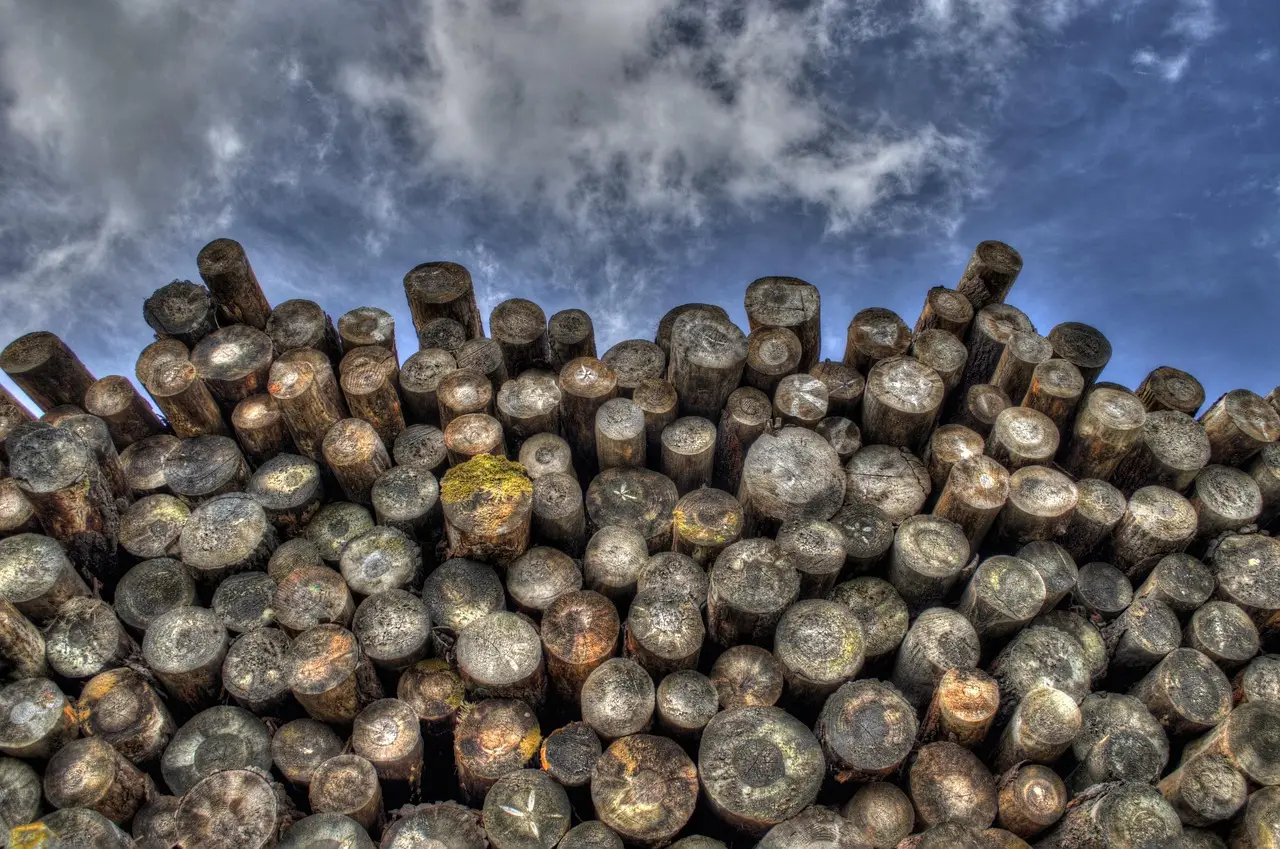
The UK Government has opened a consultation on due diligence regulations that would require companies with annual global revenues above £1 million to assess supply chains for seven deforestation-linked commodities: coffee, cocoa, cattle, soy, oil palm, rubber and timber, along with products derived from them.
The consultation, run by the Department for Environment, Food and Rural Affairs, closes on January 17, 2027. It covers which products and businesses fall in scope, what an effective due diligence system requires, and how businesses should identify, assess and mitigate risks of illegal deforestation in their supply chains.
What does the proposal change for formulators and buyers?
The proposed rules mirror the EU Deforestation Regulation in scope and mechanics. Companies would use harmonized system codes to identify products within scope, trace commodities using geolocation data collected as evidence of origin, and mitigate identified risks of non-compliance to a negligible level.
That traceability requirement reaches the ingredient level. Palm oil derivatives, cocoa butter, soy-based surfactants, rubber and timber-derived inputs would all require documented geographic origin. For personal care and food-adjacent supply chains, palm oil is the immediate pressure point: formulators sourcing palm-derived emulsifiers and surfactants will need geolocated origin data from suppliers, not simply certification paperwork.
The government is also consulting on annual reporting requirements for businesses at different points in the supply chain, and on enforcement and compliance measures, including monetary penalties.
How the UK rules differ from the EUDR
Despite the alignment with the EUDR, the UK proposal includes key differences. The government is not yet seeking to prohibit commodities if they are not deforestation-free, although it noted an ambition to transition to a deforestation-free standard in the future.
In practice, this means UK rules would initially mandate due diligence and reporting rather than market exclusion. Companies that already built EUDR compliance systems — geolocation data collection, risk assessment, chain-of-custody documentation — would find substantial overlap with the UK requirements, though the divergence on prohibition means the UK regime would not carry the same exclusion risk for non-compliant volumes.
Why the government is acting now
According to the government, the UK's consumption of goods linked to internationally traded commodities is associated with approximately 29,000 hectares of deforestation worldwide annually, and 9.4 million tonnes of related carbon emissions.
Businesses, including supermarkets, have been calling for stronger regulation to help tackle deforestation in product supply chains, the government said.
Environment Secretary Dame Angela Eagle said: "British consumers want to feel confident that the everyday goods they buy are not driving devastating illegal deforestation abroad, and so we are stepping in to give them that certainty."
Compliance timeline and next steps
The consultation remains open until January 17, 2027, on the DEFRA consultations portal. Responses will shape the final scope of commodities, the reporting obligations placed on different supply chain tiers, and the penalty regime for non-compliance.
For procurement and compliance teams, the practical sequence is straightforward: map commodity exposure across the seven categories, verify which suppliers can provide geolocation-based origin evidence, and compare existing EUDR due diligence systems against the UK's proposed reporting framework. The government's stated ambition to move toward a deforestation-free standard signals that the prohibition question — the sharpest divergence from the EU regime — will return as the next decision point to watch after the consultation closes.
via esgtoday.com (Source)
More from Amara Osei
Show full bio
News editor covering technology and product news in professional skincare and cosmetics industry at INCI File.
151 articles
Cross-references · Related articles
- Mass Balance Under Scrutiny: BASF, RSPO Defend Verified Sourcing
- Åbo Akademi's V-FOREST project eyes damaged forest biomass for cosmetics
- C16 Biosciences builds palm-free beauty toolkit with biotech trio
- Europe's rulebook is now the main driver of cosmetic sustainability
- EU Scales Back Corporate Sustainability Due Diligence Rules
End of monograph · 3 min read