Filed
UK counterfeit cosmetics tests expose mercury, lead and methanol
UK investigators found mercury, lead, methanol, nicotine and hydroquinone in counterfeit cosmetics; 20 of 50 seized products failed safety checks, including a fragrance with about 80% methanol.
By Marcus Bennett · · 4 min read · 846 words
Composition
- Trading Standards tested 50 seized counterfeit cosmetics; 20 failed safety checks.
- One counterfeit fragrance contained around 80% methanol.
- One skin-lightening cream contained 1.32% mercury, or 13,200 ppm, and 8.1% hydroquinone.
- One contour kit contained 40 mg/kg lead, while testing detected prohibited nicotine in a perfume.
- Police seized 1,666 counterfeit hair products in Manchester in July 2026; a Bolton raid seized £2m in goods.
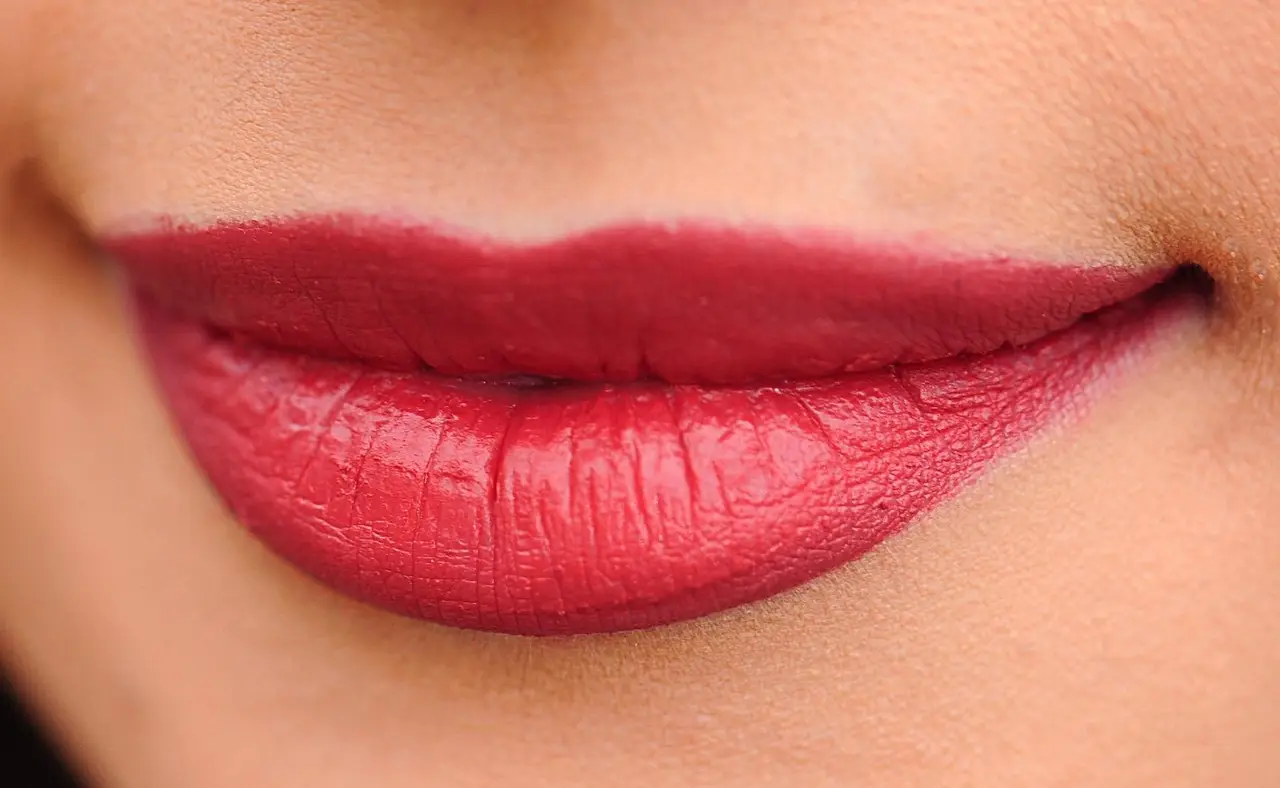
A UK Intellectual Property Office investigation found that four in ten tested counterfeit cosmetic products failed safety checks, including one fragrance containing around 80% methanol. Trading Standards tested a cross-section of 50 seized counterfeit cosmetic products; 20 failed on safety grounds after potentially harmful or prohibited substances were identified in skin care, make-up and fragrance.
What did the investigation find?
- Mercury: One counterfeit skin-lightening cream contained 1.32% mercury, equivalent to 13,200 parts per million. Mercury is prohibited in cosmetics of this type, and repeated exposure through the skin can damage the kidneys and nervous system.
- Lead: Testing found high lead levels in counterfeit lipstick, eyeshadow and contour products, including 40 mg/kg in one contour kit. Lead can build up in the body over time, potentially affecting the brain, nervous system and kidneys.
- Nicotine: Testing detected nicotine in a counterfeit perfume, although nicotine is prohibited in cosmetics.
- Methanol: One counterfeit fragrance contained around 80% methanol, a toxic alcohol that can be absorbed through the skin or inhaled. At sufficiently high exposure, methanol can cause serious poisoning, including damage to the nervous system and eyesight.
- Hydroquinone: One counterfeit skin-lightening cream contained 8.1% hydroquinone, a chemical prohibited in cosmetic skin-lightening products in the UK. It can cause irritation and, with repeated use, potentially permanent changes to skin pigmentation.
In plain terms, the tested counterfeits carried several distinct chemical hazards across skin care, make-up and fragrance.
What does this mean for the beauty trade?
British Beauty Council CEO Millie Kendall said:
“The UK beauty industry puts enormous care, creativity and expertise into creating products that people love and can use with confidence.”
“Safety and trust run right through our industry, from the brands developing products to the retailers and professionals bringing them to consumers.”
“Counterfeiters trade on the reputation and creativity that brilliant beauty businesses have worked hard to build, without meeting the same standards.”
“We want everyone to enjoy beauty and feel confident about what they are buying, and we are proud to support ‘Face the Fakes’ and help more people buy from sources they can trust.”
Kendall’s assessment links counterfeiting to the value created by legitimate brands. For product developers and brand owners, source control therefore forms part of reputation management; for salons, retailers and professional buyers, supplier verification forms part of product safety.
The Intellectual Property Office’s ‘Face the Fakes’ campaign works with beauty industry organisations, scientific experts and social media creators to raise awareness of these risks. It has also urged beauty salons, retailers and professionals across the UK to strengthen checks on the cosmetics they buy, use and sell.
Counterfeit control is a safety process and a brand-protection issue, not merely an enforcement matter.
How large is the counterfeit supply problem?
Cosmetics, skin care and perfumes rank among Trading Standards’ ten most commonly investigated counterfeit goods, according to the IPO.
In July 2026, the Police Intellectual Property Crime Unit and Greater Manchester Police seized 1,666 counterfeit hair products from a warehouse in Manchester. The haul included hair extensions, shampoo and conditioners.
The IPO also cited a Bolton raid in which Trading Standards officers seized £2m worth of counterfeit goods at a production facility in a commercial property. The haul included perfume, cosmetics, clothing and vapes.
The seizures show enforcement reaching both a warehouse holding hair products and a production facility containing several counterfeit categories.
What should product, compliance and buying teams do?
Dr Emma Meredith, Director-General of the Cosmetic, Toiletry and Perfumery Association (CTPA), said:
“There is a rigorous safety framework behind every legitimate cosmetic product sold in the UK.”
“Ingredients are carefully controlled; products undergo a safety assessment, and companies have clear legal responsibilities for the products they place on the market.”
“A huge amount of work happens behind-the-scenes to make sure people can use their cosmetics with confidence.”
“Counterfeit products can bypass those safeguards, which is why knowing who you are buying from and choosing trusted sources matters.”
For formulators and compliance teams, Meredith’s description sets a clear dividing line: legitimate products use controlled ingredients, undergo a safety assessment and come from companies with clear legal responsibilities for placing them on the market. Counterfeits can bypass those safeguards.
For salon, retail and procurement teams, the workload starts upstream: verify the source before a product enters stock or a client-facing service. The IPO has asked salons, retailers and professionals to strengthen checks across what they buy, use and sell.
Supplier verification is the practical control point for both product safety and client protection.
The evidence is specific but bounded: 50 seized products cannot show what proportion of all cosmetics sold in the UK is counterfeit, and no market-wide failure estimate was provided.
The next concrete data point to watch is follow-up sampling or additional seizure results from the IPO and Trading Standards, including any test data from the July 2026 Manchester haul. Until then, the 40% failure rate applies to the tested cross-section, not to the entire UK market.
via Cosmetics Business (Source)
More from Marcus Bennett
Show full bio
Correspondent covering companies, deals and strategy in professional skincare and cosmetics industry at INCI File.
174 articles
Cross-references · Related articles
- Mercury Skin Bleachers Still Listed by Top Retailers, Reuters Finds
- Philippine Cosmetics Industry Backs Mercury-Added Product Crackdown
- South Korea Updates Methods for Prohibited Cosmetics Ingredient Testing
- Six beauty ingredients legal in US, banned in EU: the compliance gap that shapes formulation
- Maharashtra FDA Cracks Down on Counterfeit Cosmetics
End of monograph · 4 min read