BATCH-7898 · filed
Toothpaste Formulation Fundamentals Return to Trade Agenda
Happi's technical feature on toothpaste formulation puts abrasives, humectants, thickeners and actives back on the trade agenda for oral care developers.
By Rebecca Stone · · 2 min read · 455 words
Composition
- Happi published a technical feature titled "Understanding & Formulating Toothpaste" for industry formulators.
- Toothpaste formulation requires balancing abrasives, humectants, thickeners, surfactants, actives and flavorants.
- Therapeutic claims such as cavity protection place toothpaste within monograph-style regulatory frameworks with fixed active concentration limits.
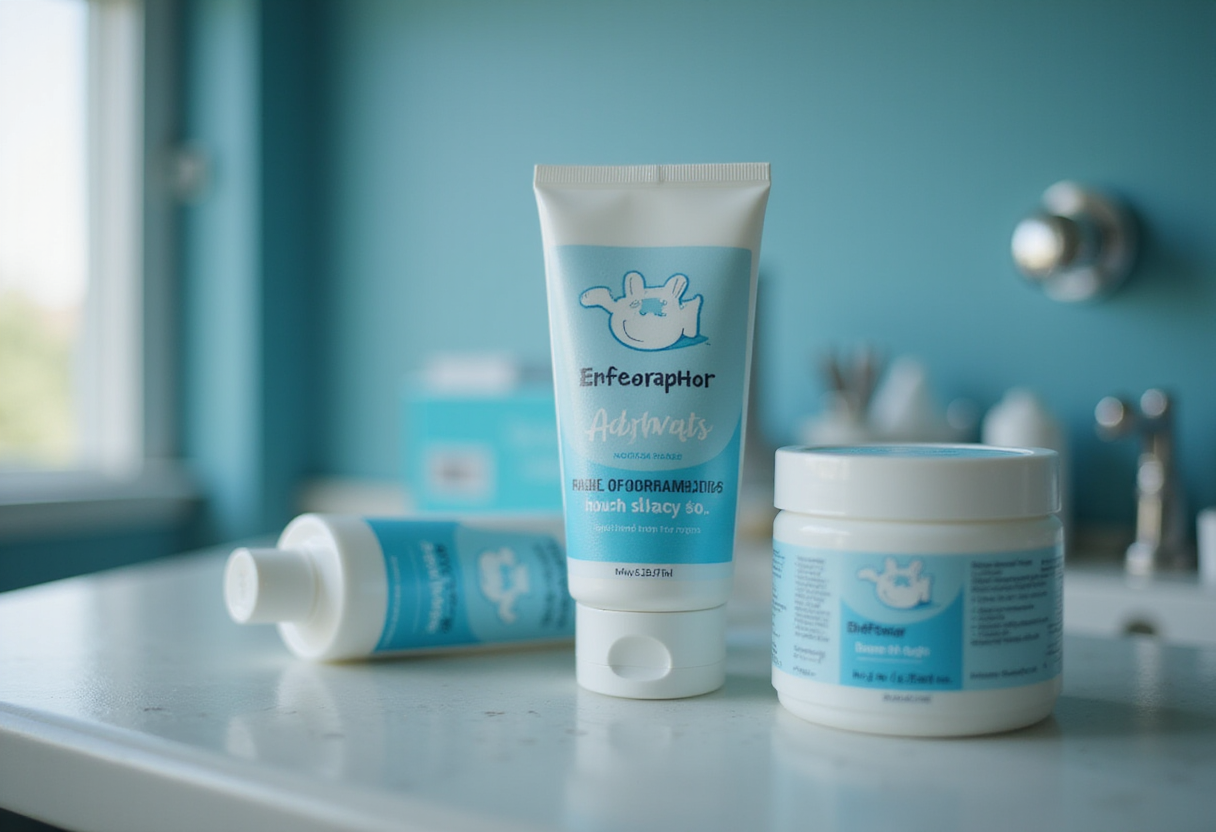
Happi | Household And Personal Products Industry has published a technical feature titled "Understanding & Formulating Toothpaste," returning one of the personal care industry's core formulation challenges — the oral care vehicle — to the trade press spotlight.
The piece addresses the construction of toothpaste as a formulation system: the interplay of abrasives, humectants, thickeners, surfactants, actives and flavorants that determines cleaning performance, rheology, stability on the shelf and consumer acceptance. For formulators, toothpaste remains one of the more demanding categories in household and personal products because the product must deliver measurable functional performance — abrasivity within safe limits, fluoride delivery, plaque and stain removal — while simultaneously meeting sensory expectations around foam, texture, taste and mouthfeel.
That dual requirement drives ingredient selection at every level of the formula. Abrasive systems, typically hydrated silica or calcium carbonate based, must be tuned to deliver cleaning without exceeding enamel-safe abrasivity thresholds. Humectant packages — glycerin, sorbitol and related polyols — control moisture retention and prevent the paste from drying out in the tube. Binder and thickener choices, from carrageenan to cellulose gums and xanthan, set the rheological profile: a toothpaste must hold its shape on the brush, shear down during brushing and resist phase separation over its shelf life.
Surfactant selection governs foaming behavior and the distribution of actives and flavors during brushing, while the active segment — most commonly fluoride compounds in therapeutic products — carries the regulatory burden. Any product making cavity-protection or similar claims sits squarely within monograph or equivalent regulatory frameworks, which means claim substantiation and active concentration limits are fixed inputs for the formulator, not variables.
For procurement and compliance teams, technical reviews of this kind serve as a practical checkpoint. They map which functional ingredient classes remain industry standard, where substitution options exist — for example, sulfate-free surfactant alternatives responding to consumer demand — and how each raw material class interacts with cost, supply and regulatory posture. Flavors and sweeteners, though a small percentage of the formula, frequently determine repeat purchase more than any other input, a point formulators consistently weigh when balancing cost-in-use.
The publication of the feature also signals where trade attention sits in the oral care development cycle. Category growth in therapeutic and cosmetic toothpastes — whitening, sensitivity, enamel remineralization — keeps pressure on formulators to innovate within established regulatory lanes. Each new claim area, whether sensitivity relief or whitening, brings its own substantiation requirements and often its own active ingredients with defined usage levels.
Formulators and suppliers should treat the Happi feature as a reference point for current category thinking rather than a static document. Watch for follow-up technical coverage — new abrasive technologies, fluoride-alternative actives and preservative strategies for natural-positioned pastes are the likely next data points the trade press will address.
via Google News - Cosmetic Formulation (Source)
More from Rebecca Stone
Show full bio
Staff writer covering industry trends and analytics at INCI File.
91 articles
Cross-references · Related articles
- Carrageenans re-emerge as multifunctional cosmetic formulation tools
- Lubrizol launches Glucamate Evolve thickener for sulfate-free systems
- Formulating Forum: Natural Rheology Modifiers Take Center Stage in Sustainable Cosmetics
- 2026 C&T Allēs Shortlist: Base Ingredients Take the Spotlight
- Sodium Fluoride Under the EU Regulatory Spotlight
End of monograph · 2 min read