BATCH-5362 · filed
Thaioil backs Viridi's £2.2m CO2-surfactant funding round
Thaioil's TOP Ventures joined Viridi's £2.2m ($3m) round as strategic investor, backing CO2-derived palm-free surfactants built on existing manufacturing infrastructure, with Asia and US expansion ahead.
By Rebecca Stone · · 3 min read · 691 words
Composition
- TOP Ventures, Thaioil's corporate venture arm, invested in Viridi's £2.2m ($3m) round as strategic investor
- Round led by Odyssey Ventures, with co-investment from Alphatron Impact Ventures and follow-on commitments from existing angel investors
- Funds go to technology scale-up, team build-out and commercial expansion into Asia and the US
- Viridi launched Vireya, its first CO2-based anionic surfactant, in 2025
- Viridi won the Renewable Material of the Year 2026 Innovation Award at the Renewable Materials Conference in Germany
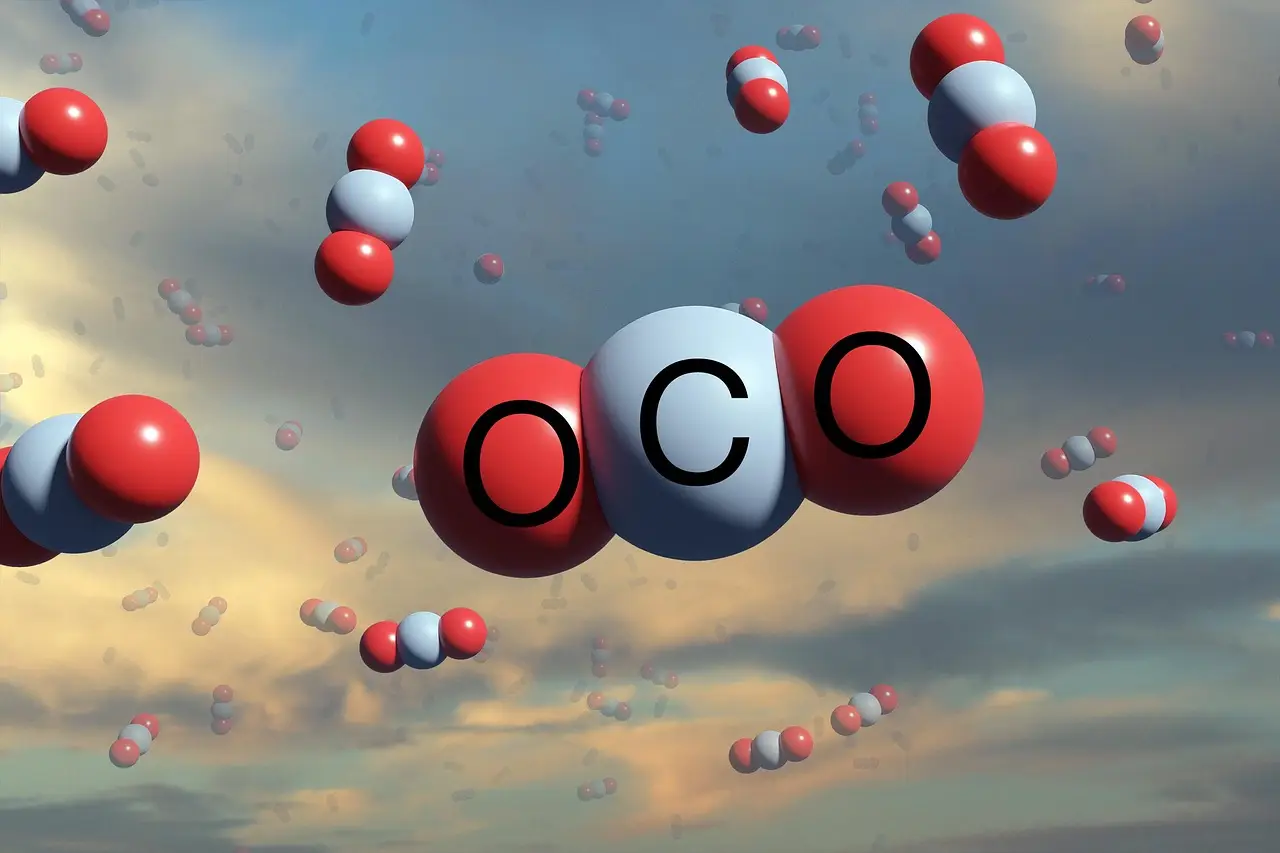
TOP Ventures, the corporate venture capital arm of Thaioil, has invested in British carbon-to-chemicals startup Viridi as a strategic investor in a £2.2m ($3m) funding round led by Odyssey Ventures, with co-investment from Alphatron Impact Ventures and follow-on commitments from existing angel investors.
Proceeds go to three stated jobs: accelerating scale-up of the technology, strengthening the team and supporting commercial expansion into Asia and the US. Viridi describes its process as a platform that applies across multiple classes of chemicals and runs on existing manufacturing infrastructure rather than purpose-built plants.
At £2.2m, this is a scale-up round, not a plant financing. The money buys process engineering, team expansion and a first push into commercial territory — which means formulation houses should read it as a development-stage raw material, not a settled second source.
What is Viridi actually making?
Surfactants — the functional backbone of home and personal care formulations — are the first major application. The route runs through captured carbon dioxide, yielding what the company terms palm-free surfactants. The stated long game: remove fossil feedstocks from the supply chain entirely.
Dr Daniel Stewart, CEO of Viridi, said: "Having a strategic partner like TOP Ventures look closely at our technology, see its value and choose to back it at this stage is strong validation of what we've built. We'll be working closely with them to deliver our technology to market, starting in Asia."
He added: "With Odyssey Ventures supporting our growth in the US, we now have partners who can help us take CO2-based surfactants to the world."
What does a strategic backer change?
Vivat Wongnirund, Vice President-New S-Curve Business Development of Thaioil, said: "We have followed Viridi's development since 2024 and have been impressed by its progress, particularly in CO2-based surfactants. The technology has been tested in real manufacturing environments and shows strong potential for integration into existing industrial operations."
Two years of watching, then money, is a longer diligence clock than most venture funds keep. For a personal care buyer, though, the technical question stays unglamorous: cost per kilogram, yield, and whether a CO2-derived molecule drops into an existing line without retooling. "Tested in real manufacturing environments" is the phrase that matters, and it comes from the investor, not an independent assessor.
Who sells the ingredient?
The route to market runs through Zschimmer & Schwarz, the specialty chemicals supplier, under an agreement announced earlier this year to accelerate the scale-up and market adoption of Viridi's technology. That detail outranks the trophy. A surfactant bought through an established additives house arrives with supply chain, technical service and quality documentation attached; one sourced direct from a venture-stage plant does not.
Palm-free positioning also lands in the same documentation queue as any other supplier sustainability claim: origin evidence, chain-of-custody records and a formulation-grade certificate. Expect formulators to ask for all three before the molecule makes a purchase order.
Where does this sit in the pipeline?
Viridi launched Vireya, its first CO2-based anionic surfactant, in 2025. Anionic surfactants carry the bulk of the volume in cleansers, detergents and much of personal care — the segment where a new feedstock platform either scales or stalls.
Most recently, Viridi won the Renewable Material of the Year 2026 Innovation Award at the Renewable Materials Conference in Germany. Awards do not qualify a raw material for a regulatory file, but they do supply the credibility a venture-stage company needs in front of procurement committees.
What to watch next
- Commercial delivery into Asia with TOP Ventures, the market Stewart named first.
- US expansion with Odyssey Ventures, which already backs growth there.
- Scale-up through Zschimmer & Schwarz, the practical test of manufacturing integration.
- Extension of the platform beyond surfactants into other chemical classes.
None of this replaces a formulation trial, a cost benchmark or a signed offtake. The sequence, however, is now defined: Asia first, the US second, and a partner with an established industrial footprint behind it. Next data point to watch is named tonnage of Vireya moving through Zschimmer & Schwarz rather than another award.
via Personal Care Magazine (Source)
More from Rebecca Stone
Show full bio
Staff writer covering people, launches and day-to-day practice in professional skincare and cosmetics industry at INCI File.
124 articles
Cross-references · Related articles
- Vireya surfactants carry 33% CO2, claim 70% lower carbon footprint
- Unilever, Galaxy Surfactants sign charter on next-gen chemistries
- BASF's Evonik Interest Headlines a September of Deals and Regulation
- BASF lifts Evonik bid to €24 per share as Evonik courts Ashland
- Twenty Ingredients Shortlisted for in-cosmetics Asia 2026 Awards
End of monograph · 3 min read