BATCH-6608 · filed
St. Louis Dermatology & Cosmetic Surgery Opens Second Location
St. Louis Dermatology & Cosmetic Surgery confirms a second location, expanding its clinical and aesthetic treatment capacity in the metro market. Opening date and services remain unconfirmed.
By Rebecca Stone · · 3 min read · 692 words
Composition
- St. Louis Dermatology & Cosmetic Surgery has announced a second location in the St. Louis metropolitan area.
- The announcement does not specify the new site's address, opening date, or planned service lineup.
- The expansion moves the practice from single-site to two-location operation, with implications for supplier procurement and injector staffing.
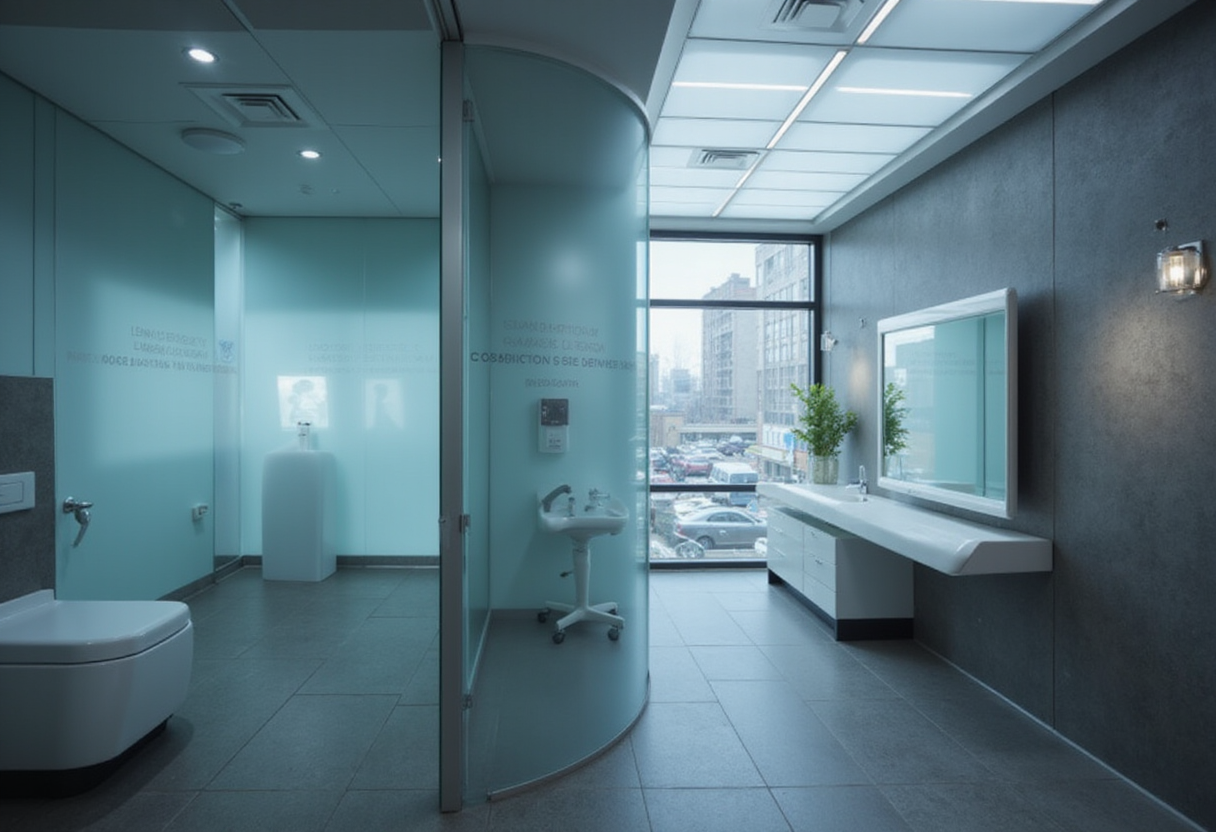
St. Louis Dermatology & Cosmetic Surgery has announced a second location, extending the practice's clinical and aesthetic treatment capacity within the greater St. Louis metropolitan area. The announcement, surfaced via EIN News, confirms the group's move from a single-site operation to a two-location footprint — a step that carries practical implications for both patient access and the suppliers who serve the practice's treatment menus.
For a dermatology and cosmetic surgery practice, a second site is rarely a symbolic gesture. It typically signals sustained patient demand across medical dermatology, surgical procedures and cosmetic injectables — the three revenue pillars that drive procurement of everything from neuromodulators and dermal fillers to laser platforms and energy-based devices. Practices at this stage of growth tend to double their standing orders with distributors, and account managers at aesthetic suppliers in the Midwest region will likely treat this as a fresh territory opportunity.
What a second chair count means in practice
The economics of multi-site aesthetics are straightforward. A second location allows a practice to schedule more simultaneous procedures, shorten patient wait times for high-demand treatments, and separate clinical dermatology traffic — psoriasis, eczema, skin cancer screening — from elective cosmetic work. That separation matters commercially. Cosmetic patients respond to retail-adjacent environments, physician-dispensed skincare lines and add-on treatments, while medical dermatology patients prioritize throughput and insurance-based access.
Practices that split their footprint along these lines usually expand their formulary on the cosmetic side. Treatment menus at comparable St. Louis-area groups typically include botulinum toxin injections, hyaluronic acid filler portfolios, chemical peels, laser resurfacing, microneedling and body contouring. A second site gives the group room to add modalities that require dedicated procedure space or recovery time, which in turn widens the roster of suppliers and device manufacturers competing for the account.
The competitive context
The St. Louis aesthetic market is contested. The metro area supports multiple single-specialty dermatology groups, hospital-affiliated cosmetic centers and a growing number of medspas operating under physician delegation. For independent practices, geographic coverage is a defensive move as much as a growth one: patients choosing injectable treatments or annual skin checks tend to select the closest credible provider, and a second location captures referral networks that a single address cannot reach.
Expansion also affects staffing. Each additional dermatology site generally requires at least one board-certified dermatologist or surgeon on-site, plus mid-level injectors — nurse practitioners or physician assistants — and support staff. The Midwest has seen sustained competition for qualified injectors, and practice groups adding locations frequently recruit ahead of the opening to protect the launch schedule.
What the announcement does not say
The source material is limited to the headline confirmation of the second location. The announcement as distributed does not specify the new site's address, its opening date, the scope of services planned for the location, or whether the practice has added clinical staff to support it. Readers tracking the practice directly — competitors benchmarking the market, suppliers qualifying the account, or patients comparing treatment options — will want those specifics before the opening, and practice leadership will likely publish them as the launch approaches.
For industry observers, the relevant detail to watch next is the opening date and service lineup. If the second site ships with a surgical suite or expanded laser inventory, that signals a capital investment in the several-hundred-thousand-dollar range and a longer-term commitment to the metro market. A smaller clinic-format location, by contrast, would point toward an injectables-and-skincare growth strategy with lighter procurement needs.
St. Louis Dermatology & Cosmetic Surgery's expansion fits a broader pattern: independent dermatology groups consolidating regional presence to defend against both private-equity-backed roll-ups and hospital systems adding cosmetic service lines. Each additional location strengthens negotiating leverage with device makers and product distributors — and each one raises the compliance and staffing overhead that comes with running multiple licensed clinical sites.
The next data point to watch is the confirmed opening date and the published service menu for the new location, which will clarify whether this is a full-scope clinical expansion or a cosmetic-focused satellite.
via Google News - Cosmetic Dermatology (Source)
More from Rebecca Stone
Show full bio
Staff writer covering industry trends and analytics at INCI File.
91 articles
Cross-references · Related articles
End of monograph · 3 min read