BATCH-9512 · filed
Shiseido deploys AI to design biodegradable, safer cosmetic ingredients
Shiseido is applying AI to upstream cosmetic ingredient discovery, baking biodegradability and safety into the design phase rather than testing them at the end of pipeline development.
By James Calloway · · 2 min read · 395 words
Composition
- Shiseido has introduced AI technology targeting biodegradable and safe cosmetic ingredients, per Personal Care Insights.
- The company has not disclosed the AI platform vendor or the molecular scope of the screening.
- No timeline has been given for the first commercial SKU built on the new pipeline.
- The move targets biodegradability as a design input, aligning with tightening microplastic and polymer-persistence scrutiny in the EU and Asia-Pacific.
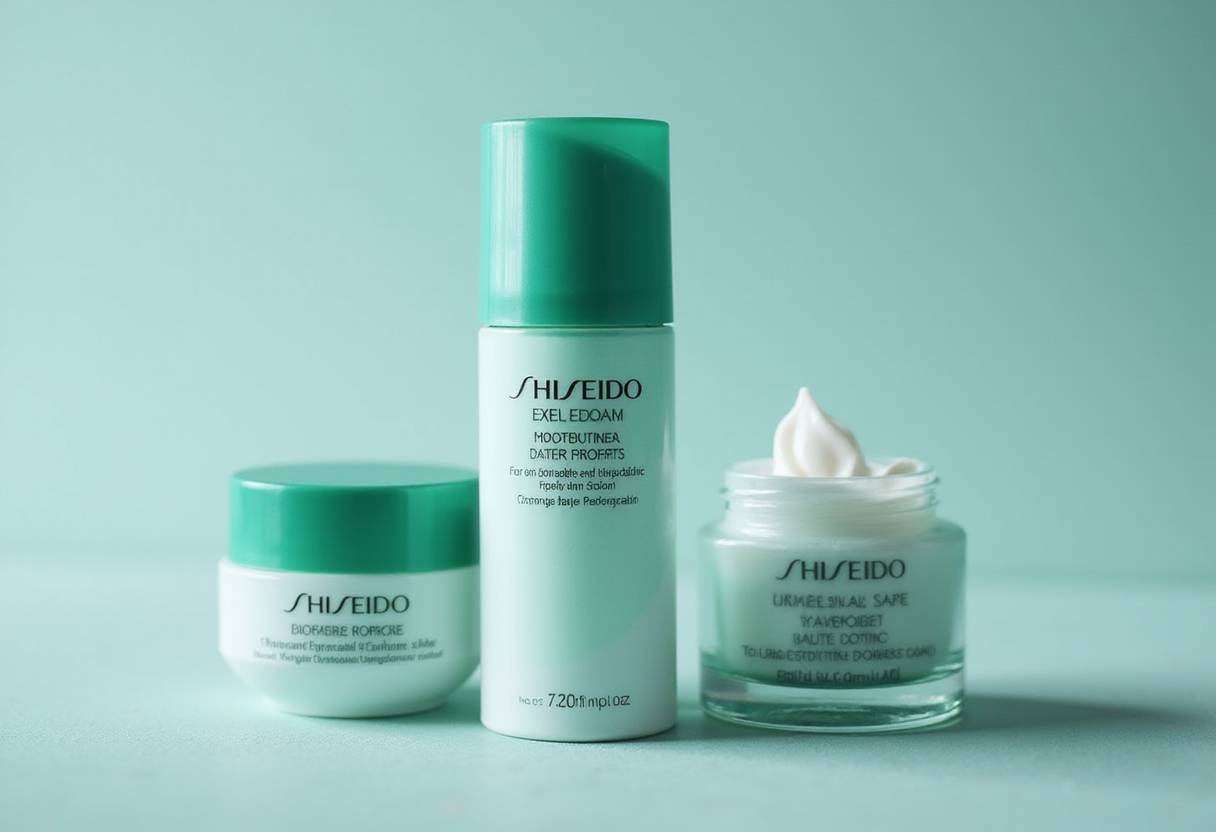
Shiseido has begun applying artificial intelligence to the early-stage discovery of cosmetic ingredients, targeting both biodegradability and human safety as design criteria rather than end-of-pipeline checkpoints, Personal Care Insights reported.
The move signals a strategic shift in how a top-tier Japanese beauty house intends to compress the timeline from laboratory concept to compliant raw material — a workload that typically spans years of toxicology, ecotoxicology, and stability work.
What does AI change for ingredient design?
By treating biodegradability as an input rather than an after-the-fact screening step, Shiseido is positioning its pipeline to address two regulatory pressures simultaneously:
- Microplastic and polymer-persistence scrutiny tightening across the EU, UK, and several Asia-Pacific markets
- Repeat-dose and sensitisation data demands that continue to lengthen safety dossiers
For formulators, the practical question is whether AI-curated candidates will arrive with a richer pre-clinical data set attached, potentially shortening the bench-to-pilot phase.
Why does this matter for procurement and compliance?
Procurement teams should expect supplier conversations to shift toward evidence packages rather than commodity specifications. A raw material carrying a computational safety and biodegradability profile changes the RFP: buyers will increasingly ask vendors to match or exceed those data layers.
Compliance leads should watch for downstream effects in three areas:
- INCI dossier preparation, where predictive toxicology outputs can supplement — but not replace — required test data
- Claims substantiation, especially "biodegradable" and "skin-friendly" wording, which regulators continue to police across the EU and in China
- Sustainability reporting frameworks, where ingredient-level biodegradability metrics feed directly into Scope 3 disclosures
Where the gaps remain
Personal Care Insights did not disclose the AI platform vendor, the molecular scope of the screening (small molecules, peptides, polymers), or whether Shiseido will license output materials to third parties. The company has not yet indicated a timeline for the first commercial SKU built on the new pipeline.
For trade readers, the next data points to monitor are:
- A named technology partner or in-house platform disclosure
- Specific INCI entries tied to the first AI-selected ingredients
- Any regulatory pre-engagement with Japan's Pharmaceutical and Medical Device Act authorities or EU SCCS reviewers
Until those details surface, Shiseido's announcement reads as architecture rather than product — a pipeline commitment that will reshape ingredient briefing documents once the first concrete INCI names and supplier agreements begin to circulate.
via Google News - Cosmetic Ingredient (Source)
More from James Calloway
Cross-references · Related articles
- Shiseido Builds AI Systems for Biodegradability and Safety Screening
- AI Reshapes Beauty Ingredient Discovery, Cosmetics Business Reports
- AI Startups Take On Beauty Compliance as Global Rules Multiply
- FDA Deploys AI-Powered Monitoring System to Track Beauty Product Safety
- US states push against toxic cosmetic chemicals as federal laws fall short
End of monograph · 2 min read