BATCH-6795 · filed
Shiseido demands €2.6 million from Shein over unauthorized beauty sales
Shiseido's French unit BPI claims over €2.6 million from Shein for selling beauty products outside its authorized resale network, in a key test of selective distribution.
By Marcus Bennett · · 3 min read · 588 words
Composition
- Shiseido claims more than €2.6 million from Shein over unauthorized beauty sales
- The plaintiff is Beauté Prestige Internationale, Shiseido's French subsidiary
- Shein sold products outside Shiseido's network of approved resellers
- The case could test selective distribution contracts against global e-commerce platforms
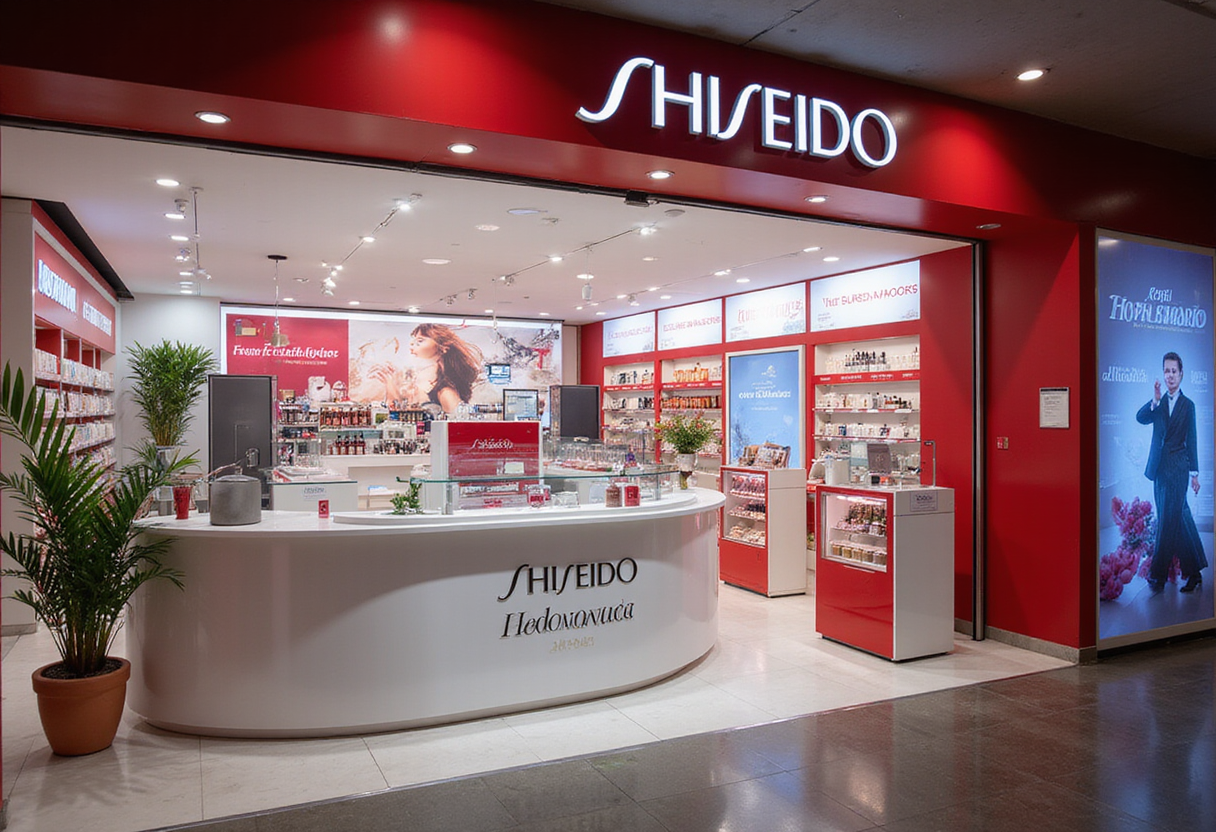
Shiseido is claiming more than €2.6 million from Shein for selling beauty products outside its authorized resale network. The figure anchors a dispute that goes well beyond one platform and one supplier. At stake is the enforceability of selective distribution agreements in an era when global e-commerce marketplaces move inventory across borders faster than brand lawyers can track it.
The plaintiff is Beauté Prestige Internationale (BPI), the French subsidiary of the Japanese cosmetics group. BPI has filed suit against the online marketplace, arguing that Shein commercialized its products without belonging to its network of approved resellers. Under selective distribution, a brand licenses only vetted retailers that meet staffing, display and service criteria. Products surfacing on a mass marketplace undercut that model. They also bypass the controls that luxury and prestige beauty brands use to protect pricing, product handling and, ultimately, consumer safety guarantees.
Why the €2.6 million claim matters
The sum is not the story. The precedent is. If a French court upholds BPI's claim, it signals that platform operators — not just individual sellers — can bear financial liability for breaching selective distribution networks. If the court narrows that liability, prestige brands across Europe will face a harder question: how do they police grey-market listings when the marketplace itself claims to be a neutral intermediary?
For formulators and compliance teams, the case sits at the edge of regulatory territory. Selective distribution is a contract law instrument, not a cosmetics regulation. Yet its enforcement shapes the market that regulated products reach. Unauthorized channels can break the cold chain, strip traceability and void the batch-recall pathways that EU cosmetic rules assume exist.
What does the ruling change?
Several outcomes are possible, and each carries consequences for a different group of professionals:
- Brand owners and legal teams gain a reference case for pricing enforcement against platforms rather than anonymous sellers.
- Procurement and retail buyers face a clearer signal on whether parallel listings on marketplaces carry legal risk for their own supply relationships.
- Marketplace operators may need to tighten seller vetting for prestige beauty categories if courts assign them duty of care.
- Distributors inside authorized networks benefit if the judgment protects the exclusivity they pay for.
The case could prove a decisive test of how selective distribution contracts hold up against the rise of global e-commerce platforms. That framing, used by observers of the filing, captures the core tension: contracts written for physical retail territories now meet algorithms that list, price and ship anywhere.
The mechanism behind the dispute
Selective distribution works through contract. The brand selects retailers. The retailers agree to standards. Consumers, in theory, receive authentic product with brand-sanctioned advice and aftercare. A marketplace listing breaks that chain at its first link. Nobody selected the seller. Nobody audited the storage conditions. Nobody at BPI approved the price or the presentation.
That breach is what BPI frames as unfair competition — and what the €2.6 million claim quantifies. The damages figure will now be tested against evidence of actual sales volumes, diversion routes and the platform's knowledge of its sellers' sourcing.
What to watch next
Watch for the first procedural hearings, where the court will decide whether Shein can be treated as a direct infringer or merely a hosting intermediary. That threshold question, more than the damages amount, will determine how exportable this precedent is to other prestige beauty houses confronting the same grey-market listings. Until a ruling lands, every brand with a selective network in Europe is watching the same docket.
via Premium Beauty News (Source)
More from Marcus Bennett
Show full bio
Correspondent covering companies, deals and strategy in professional skincare and cosmetics industry at INCI File.
128 articles
Cross-references · Related articles
- Shiseido sues Shein for EUR 2.6 million over grey-market sales
- EU Packaging Overhaul Puts Indie Beauty Compliance in the Spotlight
- Kao faces injunction bid targeting new skincare line over trademark
- BASF's Evonik Interest Headlines a September of Deals and Regulation
- Saie and Sephora Roll Out Joint Planet Beautiful Initiative
End of monograph · 3 min read