BATCH-4483 · filed
Seppic Buys Minasolve to Push Deeper Into Natural Preservatives
Seppic acquires Belgium's Minasolve from Minafin Group, gaining 12 patent families in bio-based glycols made from upcycled sugarcane bagasse for natural preservation.
By Marcus Bennett · · 3 min read · 605 words
Composition
- Seppic acquired Belgian ingredient maker Minasolve from Minafin Group; financial terms undisclosed.
- Minasolve, founded in 2007, holds 12 patent families covering upcycling of agricultural residues such as sugarcane bagasse.
- The deal adds 100% bio-based glycols and naturally derived preservation boosters to Seppic's portfolio.
- Minasolve carries ProTerra, COSMOS, NATRUE, USDA certifications and an EcoVadis Gold rating.
- CEO Virginie Cavalli said the acquisition positions Seppic as a key player in natural cosmetic preservatives.
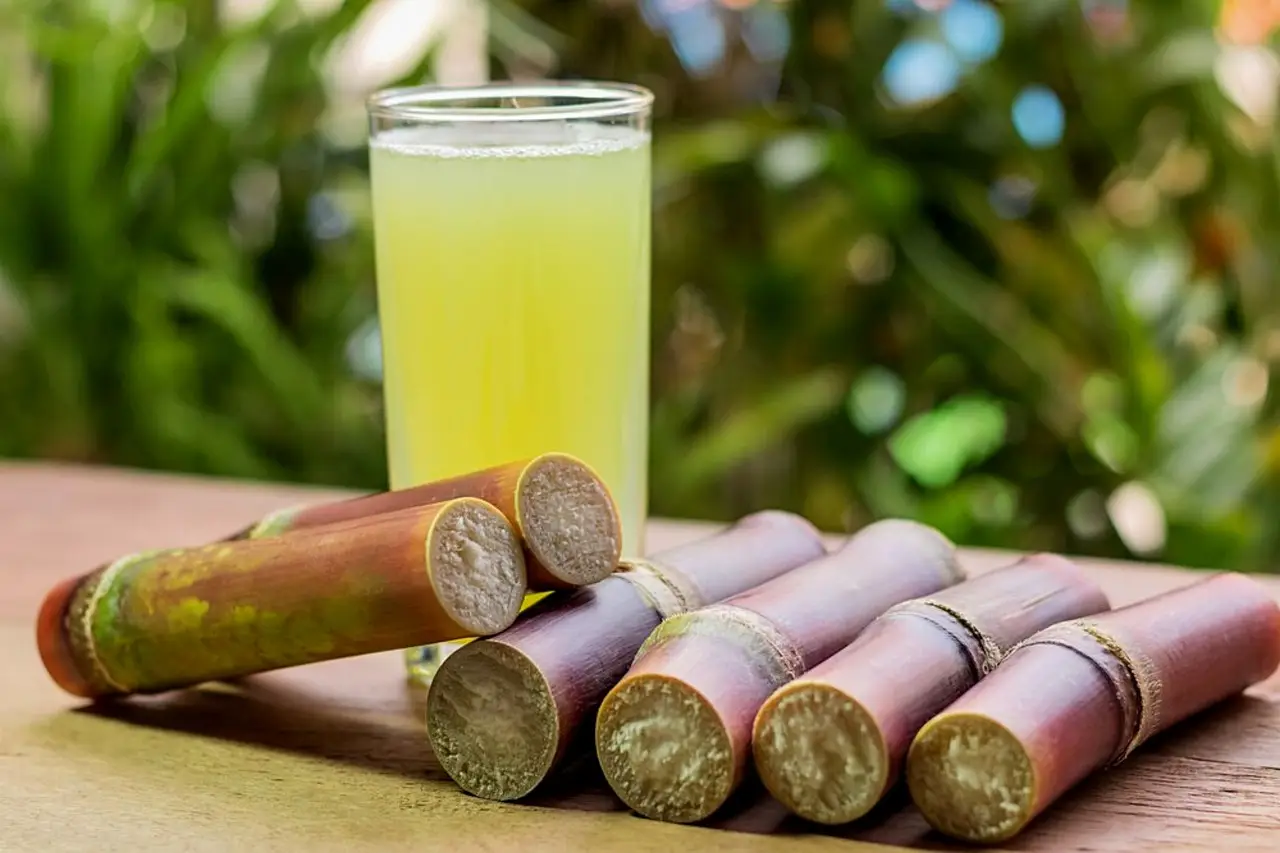
Seppic has acquired Belgian ingredient maker Minasolve from Minafin Group, adding 12 patent families in bio-based glycol technology to its natural preservatives portfolio. The French supplier confirmed the deal but did not disclose the financial terms.
Founded in 2007, Minasolve built its business on upcycling agricultural residues. The company converts sugarcane bagasse and other by-products into high-performance cosmetic ingredients, with particular strength in 100% bio-based glycols. Those molecules matter to formulators: glycols function as humectants, solvents and, critically, as preservation boosters that reduce or replace traditional preservative systems in natural formulations.
What does the acquisition change for formulators?
For Seppic customers, the deal widens access to naturally derived preservation boosters. That matters because the industry's reformulation workload keeps growing around natural and clean-label claims. Brands that want to drop traditional preservatives — phenoxyethanol blends, parabens, formaldehyde releasers — still need microbiological safety. Preservation boosters based on bio-based glycols give formulators a route to that safety while holding a naturality claim on the label.
Seppic said the acquisition lets it consolidate its position in the beauty market by continuing to meet customer demand for natural and sustainable cosmetic ingredients. In practical terms, the company now owns both the ingredient portfolio and the upstream technology: the patents that protect Minasolve's upcycling processes from residue to finished glycol.
Minasolve's certifications travel with the acquisition. The company holds ProTerra, COSMOS, NATRUE and USDA approvals, plus an EcoVadis Gold rating for its CSR performance. For procurement teams and regulatory affairs staff, those credentials reduce the compliance burden when qualifying the ingredients into certified natural formulations across EU and US frameworks.
Why sugarcane bagasse?
The feedstock choice drives the sustainability story. Bagasse is the fibrous residue left after sugarcane crushing, a waste stream rather than a crop grown for chemistry. Upcycling it into cosmetic glycols keeps the carbon footprint of the resulting ingredients lower than petrochemical equivalents and supports the deforestation-free sourcing narrative that certifications such as ProTerra verify.
This sits squarely within green chemistry, the space Seppic has staked out as a differentiator. CEO Virginie Cavalli framed the deal in exactly those terms.
"This acquisition demonstrates our ambition to position ourselves as a key player in the natural preservatives segment in cosmetics," Cavalli said. "It also illustrates our long-term commitment to green chemistry in favour of developing ever more responsible ingredients."
How does this fit the wider preservatives squeeze?
The preservatives segment has been under pressure for a decade. Regulatory reviews have narrowed the approved options, consumer sentiment has turned against several long-standing chemistries, and the shift toward water-light and natural formulations has complicated preservation strategies. Suppliers that can offer booster systems — ingredients that let formulators cut conventional preservative load while passing challenge testing — have gained shelf space in R&D labs.
Seppic, a subsidiary of the Air Liquide group's healthcare and cosmetics activities, has now bought rather than built that capability. Minasolve, operating within Minafin Group since 2007, brings roughly eighteen years of process development protected across its 12 patent families. That patent estate is the asset competitors cannot easily replicate.
What comes next?
Expect Seppic to integrate Minasolve's glycols and booster range into its existing preservation and naturally derived ingredient lines over the coming quarters. The unanswered question is pricing and supply: Minasolve's bagasse-based processes tie ingredient supply to agricultural residue streams, and formulators will watch whether scaled demand under Seppic's distribution keeps lead times and certification status stable. The next data point to watch is Seppic's first combined portfolio announcement, which should reveal which Minasolve ingredients reach global distribution first.
via Personal Care Magazine (Source)
More from Marcus Bennett
Show full bio
Correspondent covering companies, deals and strategy in professional skincare and cosmetics industry at INCI File.
159 articles
Cross-references · Related articles
End of monograph · 3 min read