BATCH-3089 · filed
SCCS Delivers Final Opinion on CBD in Cosmetic Products
The SCCS has published its final safety opinion on CBD in cosmetics. Formulators and compliance teams now await the Commission's decision on possible annex listing.
By James Calloway · · 2 min read · 420 words
Composition
- SCCS issued its final opinion on cannabidiol (CBD) used in cosmetic products
- The decision on possible annex listing under Regulation (EC) No 1223/2009 now rests with the European Commission
- Safety assessors must align CBD Product Information Files with the final opinion's conclusions
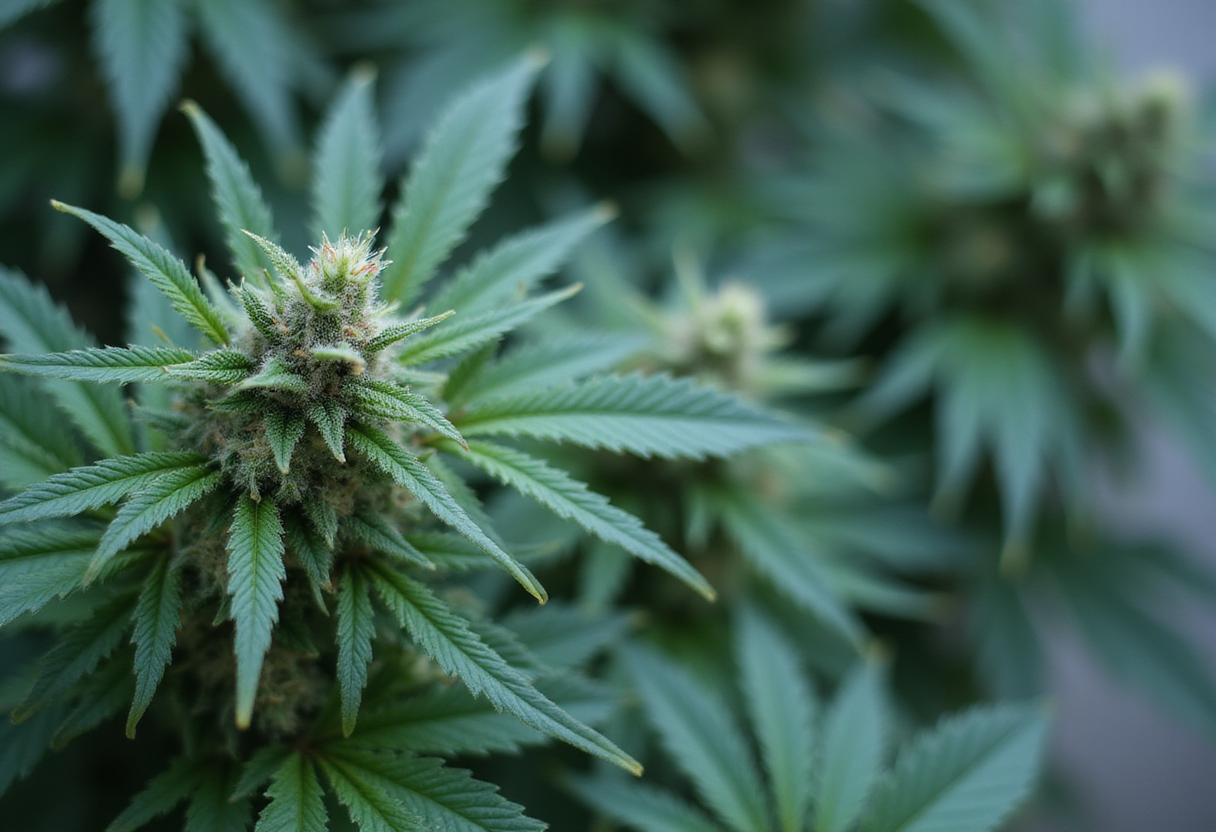
The Scientific Committee on Consumer Safety (SCCS) has published its final opinion on cannabidiol (CBD) as used in cosmetic products, closing a scientific review cycle that European formulators and regulatory teams have tracked since the ingredient first entered the EU safety pipeline.
The opinion addresses the safety of CBD — the non-psychoactive cannabinoid from Cannabis sativa L. — when applied in leave-on and rinse-off cosmetics, and it now sits with the European Commission, which will decide whether the ingredient requires listing in the annexes to Regulation (EC) No 1223/2009 or can continue under general safety assessment provisions.
For product development teams, the final opinion is the document to read in full. It defines the conditions of use the Committee considers safe, and any divergence between a brand's current CBD concentration and the SCCS assessment is a reformulation or dossier-revision workload waiting to happen. Safety assessors signing off Product Information Files for CBD-containing lines will need to align their reasoning with the Committee's conclusions rather than earlier industry-sponsored data alone.
The review matters commercially because CBD has spread across skin care, hair care and body care launches in Europe despite a fragmented regulatory backdrop. The cosmetics route to market has depended on self-assessed safety and, in several member states, on divergent national interpretations of narcotic-adjacent cannabinoid rules. A final SCCS opinion gives the Commission a single scientific reference point, which typically precedes either a restriction entry in the annexes or confirmation that no specific limit is warranted.
Procurement and compliance teams should now watch two timelines. First, the Commission's follow-up: if SCCS identified conditions of safe use, a committee-level discussion on an annex entry — most plausibly Annex III-type restriction — would follow, with a draft regulation and comment period thereafter. Second, national enforcement posture in markets that have taken stricter views of cannabinoid ingredients may shift in line with the EU-level clarity, which affects where CBD lines can be listed without challenge.
For spa and treatment businesses, the practical readout is narrower: products already on the EU market remain subject to responsible-person safety assessments, and the SCCS document becomes the benchmark against which those assessments will be judged in the event of a market-surveillance query.
The next data point to watch is the Commission's publication of any regulatory follow-up proposal based on this opinion — that filing, not the opinion itself, will set the compliance deadline for brands already selling CBD cosmetics in the EU.
via Google News - Cosmetics Regulation (Source)
More from James Calloway
Cross-references · Related articles
End of monograph · 2 min read