BATCH-1530 · filed
PZ Cussons: Gen Z and Gen Alpha packaging shifts to food and toys
PZ Cussons says edible-look packs and wearable toys now shape Gen Alpha and younger Gen Z beauty launches, forcing packagers to balance consumer delight with single-use and sustainability scrutiny.
By James Calloway · · 3 min read · 692 words
Composition
- Two trends dominate PZ Cussons’ observations: foodification and toyification.
- Foodification examples include whipped cream shower gels and doughnut-shaped containers.
- Wearable accessories appear with three product categories: hand cream, lip balm and fragrance spray.
- Mark Browne serves as PZ Cussons’ European Packaging Lead.
- Browne addressed the issue at London Packaging Week as single-use rules tightened and sustainability expectations rose.
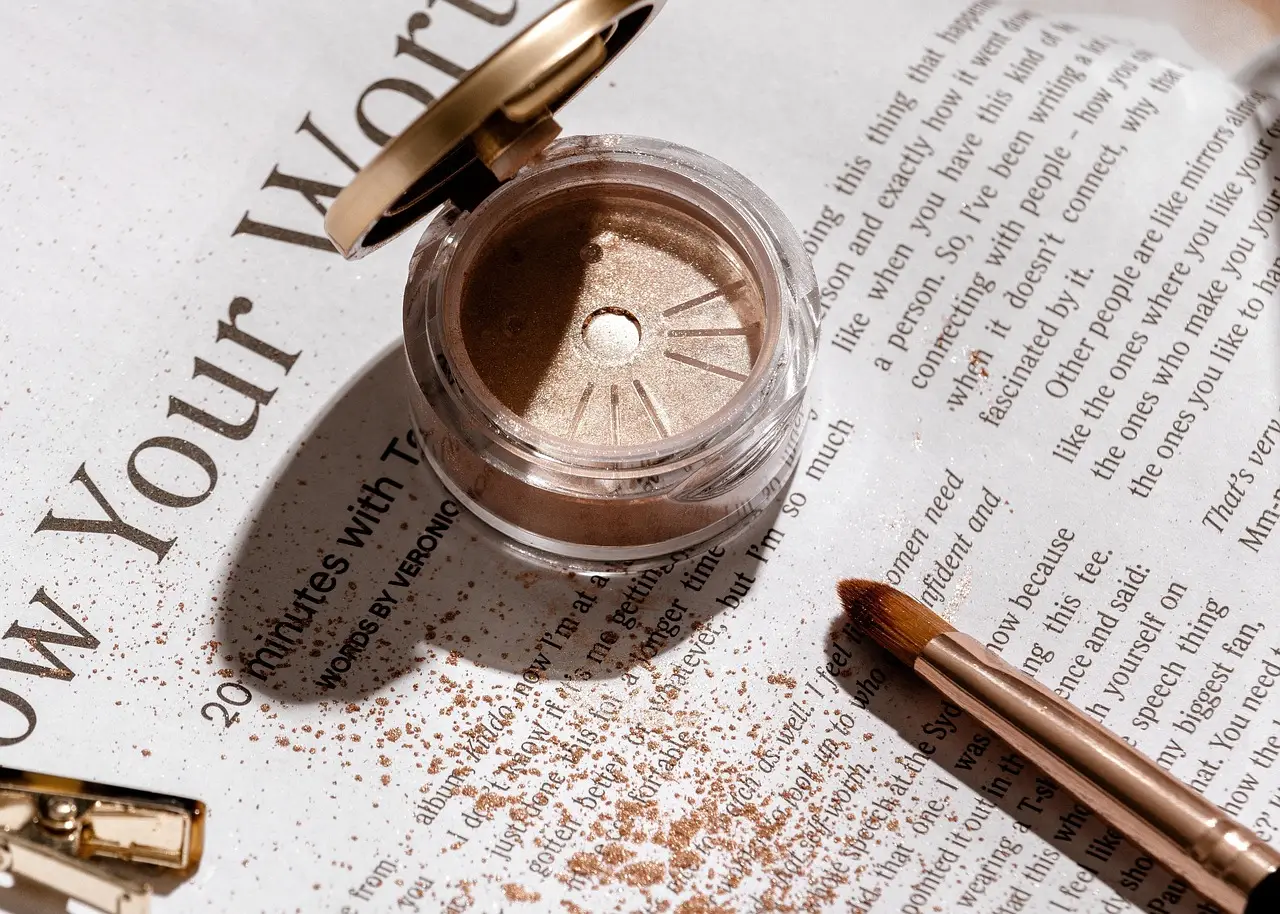
PZ Cussons has identified food-like packs and wearable toys as the packaging formats gaining strongest traction with Gen Alpha and younger Gen Z consumers, placing playful design at the centre of beauty and personal care launch planning.
At London Packaging Week, Mark Browne, European Packaging Lead at PZ Cussons, set out the tension: brands want the fun, brightly coloured, sensorial and experiential appeal that draws young consumers, while tighter regulation of single-use packaging and higher sustainability expectations limit how they can deliver it.
What is “foodification” changing?
Foodification gives a pack the visual cues of food, moving launch appeal beyond a conventional container and closer to an edible-looking object. Browne described the approach: “There is the foodification of packaging, like whipped cream shower gels, products that look edible, in doughnut-shaped containers.”
Two examples define this format:
- Whipped cream shower gels that use a food-like visual cue.
- Products in doughnut-shaped containers.
For developers, the format makes packaging part of the proposition rather than decoration around a defined product. The visual shorthand can establish shelf recognition quickly, yet teams still need to connect that cue with intended use, pack performance and retail handling. The interview did not report formula changes; its evidence concerns presentation.
Takeaway: Edible-looking packs can differentiate a launch, but the concept must survive ordinary product-development and pack-use checks.
How does “toyification” turn packs into products?
Browne described toyification as playfulness built into items consumers want to collect, keep or wear. The format goes beyond a branded container and adds a second object that can sit alongside the beauty product or travel with the consumer.
- Collect-and-keep items invite consumers to retain the playful element rather than discard it with the pack.
- Wearable examples include a charm or small fluffy toy clipped onto a handbag.
- The accessory can accompany hand cream, lip balm or fragrance spray.
For brand teams, that second function turns the purchase into a visible accessory and gives the pack a role after dispensing. Browne said: “These products are now permanently accessible, on display and they are an expression of the consumer.” The commercial value lies in continued visibility and personal identification.
The compliance question is different: an added collectible or accessory may increase the packaging’s disposable burden, even when it gives the consumer another reason to keep the item.
Takeaway: Toy formats can extend a product’s life in the consumer’s possession, but they also widen the sustainability account to answer for.
Can playful packaging meet tighter single-use rules?
Browne presented sustainability and regulation as counterweights to the trend, not as an afterthought. Brands face tightening rules around single-use packaging and rising expectations for sustainability, yet the interview gave no jurisdiction, material standard or compliance deadline. Teams therefore cannot infer from the design examples that a format qualifies as compliant.
That absence matters across the launch chain. Product development must test the pack concept early; compliance teams must assess its treatment under applicable single-use rules; and procurement must verify that visual execution and sustainability requirements can be met together.
A brief that addresses only shape, colour and shelf effect leaves the regulatory risk unresolved. Equally, stripping out the playful element at the first sign of scrutiny sacrifices the consumer feature that prompted the launch.
Takeaway: Sustainability review belongs in the packaging brief from the start, rather than after the concept has won approval.
What should brands watch next?
Browne said the trend was emerging strongly and many brands had begun responding. Development and marketing teams now need to distinguish a durable packaging platform from a short-lived visual conceit.
Foodification and toyification can influence range architecture, but each format still has to prove its place against the product, its use occasion and the operational constraints of the supply chain.
The next data point to watch is launch performance: do edible-look and toy formats build repeat use and visible advocacy, and can brands meet tighter single-use expectations without losing the sensory and playful appeal? Browne offered no timetable, filing or standard, so that evidence will come from subsequent launches and market results.
via Cosmetics Business (Source)
More from James Calloway
Show full bio
Senior reporter covering money, funding and market shifts around professional skincare and cosmetics industry at INCI File.
139 articles
Cross-references · Related articles
- Beauty packaging pivots to sustainable and recyclable formats
- Sustainability Shifts from Claim to Design Brief in Cosmetics Packaging
- BeautyMatter Maps the Packaging Trends Formulators Face in 2026
- Ingredient transparency now outranks brand image for US beauty buyers
- Gen Z sustainability demand hits 84%, but recycling lags behind
End of monograph · 3 min read