Filed
Pulpex Raises £24.6 Million to Push Paper Bottles Toward One Billion Units
Pulpex raised £24.6 million from the UK National Wealth Fund and SNIB to scale its wood-pulp fiber bottle from 40 million units in Glasgow toward one billion units via licensing.
By Marcus Bennett · · 3 min read · 646 words
Composition
- Pulpex raised £24.6 million (USD 32.3 million), including £19.6 million from the UK National Wealth Fund and £4.4 million from SNIB
- The Glasgow plant, opened October 2026, has initial annual capacity of 40 million bottles and created about 39 jobs
- Pulpex targets one billion bottles annually worldwide through its Manufacture Under Licence network
- The facility was financed by a £62 million Series D round from February 2025
- Partners include Unilever, PepsiCo, Castrol, Haleon, Estée Lauder and Kraft Heinz
Pulpex has secured £24.6 million (USD 32.3 million) in new investment, with the UK's National Wealth Fund contributing £19.6 million and the Scottish National Investment Bank (SNIB) adding £4.4 million (USD 5.8 million), alongside money from existing investors. The sum exists to do one thing: scale a paper bottle from 40 million units per year in Glasgow toward one billion units worldwide.
For packaging buyers at cosmetics and consumer goods companies, the number that matters most is the second one. A billion-unit licensing network would move fiber bottles from pilot curiosity to a genuine procurement option at volume.
Who is behind the technology?
UK-based Pulpex launched in 2020 as a collaboration between Pilot Lite and Diageo, together with a group of global consumer packaged goods companies. That group includes Unilever, PepsiCo, Castrol, Haleon, Estée Lauder and Kraft Heinz.
Two of those partners sit squarely in beauty and personal care. Unilever has targeted paper-based bottles for laundry and hair care lines, and Estée Lauder has explored development of a paper-based bottle for use across its brand portfolio. Both programs now have a funded manufacturing base behind them.
The flagship product is a fiber bottle platform. It uses sustainably sourced wood pulp to produce bottles free from hidden plastic, designed to recycle through existing household paper and cardboard streams. That last point is the compliance hook: no new collection infrastructure, no specialty take-back scheme, no requalification of municipal recycling contacts.
What does the money actually fund?
The new capital supports expansion through Pulpex's global Manufacture Under Licence (MUL) network. Under that model, licensed manufacturing partners deploy the technology in their own international markets rather than shipping bottles from Scotland.
Scott Winston, Managing Director of Pulpex, set out the plan directly:
"With Manufacture Under Licence partners already in place, our focus now is on accelerating the expansion of that network, enabling further partners to deploy Pulpex technology in markets around the world. Our ambition is clear: to build from 40 million units per year in Glasgow towards one billion units annually worldwide, while keeping Pulpex's technology leadership and intellectual property firmly rooted in the UK."
The licensing route carries practical weight for formulators and brand owners. Regional licensees mean shorter supply chains, lower freight emissions and faster access to a packaging format that brands can slot into existing sustainability claims without a multi-year capital project of their own.
Where does production stand today?
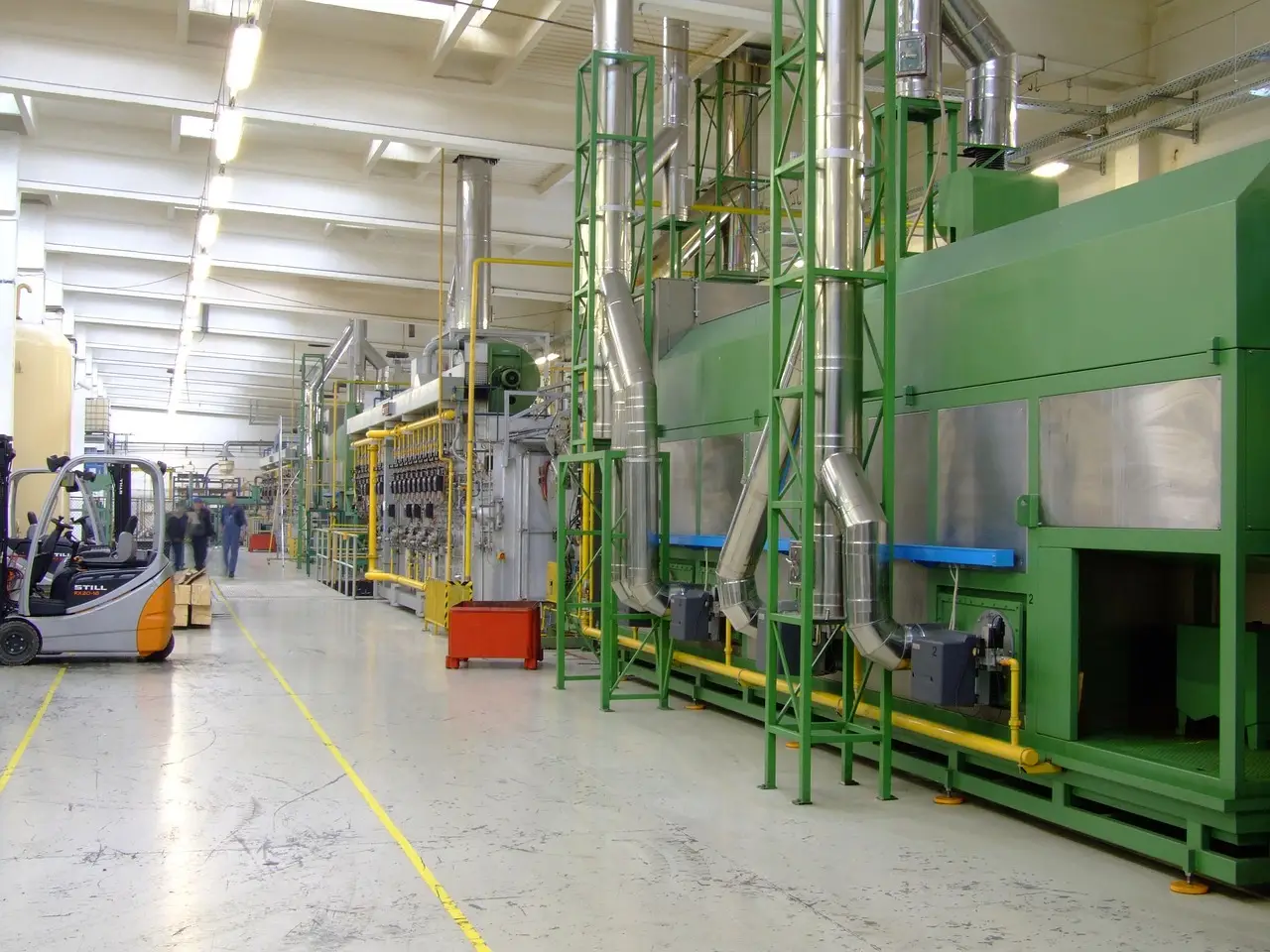
The investment follows the opening of Pulpex's first commercial-scale fiber bottle manufacturing facility near Glasgow in October 2026. The plant carries an initial annual capacity of up to 40 million bottles and has created approximately 39 manufacturing jobs.
Construction of the facility was financed by an earlier £62 million Series D round from February 2025, backed by the National Wealth Fund with co-investment from SNIB and existing investors. In other words, public money has now funded this platform twice in under two years, which signals institutional confidence in fiber packaging as an industrial category rather than a one-off bet.
Graeme Sands, Chief Portfolio Officer at the Scottish National Investment Bank, framed the plant's role in the wider scaling story:
"The opening of Pulpex's Glasgow manufacturing facility is not only generating jobs and revenue, it also provides a crucial model for scaling up production of their bottles to the largest businesses around the world."
What should buyers watch next?
Three data points will tell the industry whether the one-billion-unit target is credible: the pace of new MUL partner signings across regions, the shift of Unilever and Estée Lauder programs from exploration to confirmed SKUs, and any announcement of a second commercial-scale plant outside the UK. Watch partner disclosures over the coming quarters; each new licence signed is the next hard number in this story.
via esgtoday.com (Source)
More from Marcus Bennett
Show full bio
Correspondent covering companies, deals and strategy in professional skincare and cosmetics industry at INCI File.
174 articles
Cross-references · Related articles
- Estée Lauder, Schneider Electric Open Up on Packaging Roadmaps
- EU Packaging Overhaul Puts Indie Beauty Compliance in the Spotlight
- Saie and Sephora Roll Out Joint Planet Beautiful Initiative
- PM Studio Group acquires TNT Group, creating EUR 130m packaging player
- Pinard Beauty Pack Taps Meiyume to Distribute Plastic Bottles in US
End of monograph · 3 min read