BATCH-2717 · filed
Moeve's Huelva phenol plant first audited under ISCC carbon scheme
Moeve Chemicals' Palos de la Frontera plant is first audited under ISCC's new Carbon Footprint Certification, covering phenol, acetone, AMS and cumene made with biomethane.
By Sophie Lindqvist · · 3 min read · 559 words
Composition
- Moeve Chemicals' Huelva phenol plant is the first facility audited under ISCC's new Carbon Footprint Certification.
- Certification scope covers phenol, acetone, alpha-methylstyrene and cumene produced using biomethane.
- Cepsa rebranded as Moeve in October 2024, marking a shift toward sustainable energy.
- The Palos de la Frontera site served as the industrial pilot for the ISCC scheme.
- Moeve's Low Carbon methodology contributed to the certification framework's biomethane accounting rules.
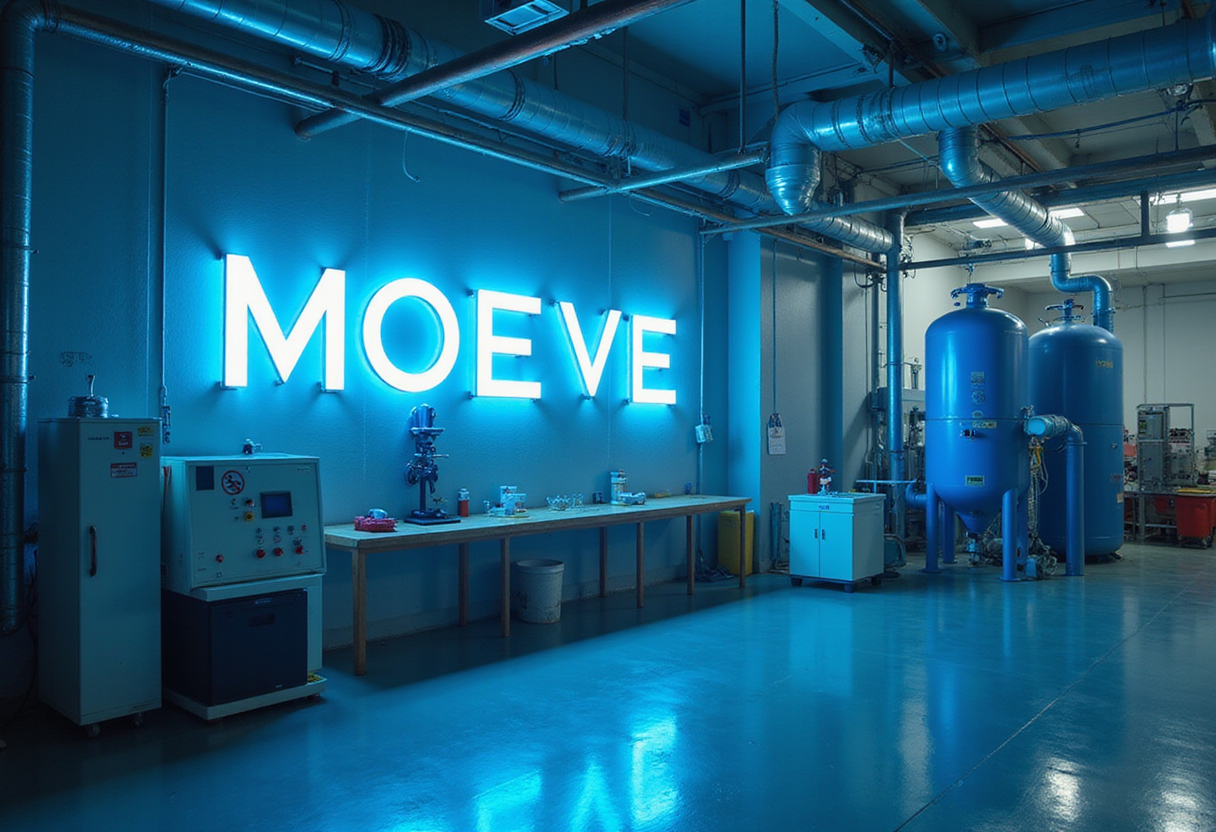
Moeve Chemicals' phenol plant at Palos de la Frontera in Huelva, southern Spain, is the first facility in the world audited under the new ISCC Carbon Footprint Certification (CFC) for products manufactured using biomethane. The scope covers every main product leaving the site: phenol, acetone, alpha-methylstyrene (AMS) and cumene — feedstocks that flow downstream into polycarbonate, epoxy resins, solvents and, ultimately, cosmetic packaging and formulation chemistry.
For procurement teams tracking scope 3 emissions, that scope matters. Phenol and acetone sit near the base of numerous cosmetics value chains. A certified carbon footprint claim on these intermediates gives downstream formulators and brand owners an auditable data point rather than a supplier estimate.
What does the audit actually certify?
The ISCC CFC applies to products whose manufacture relies on a mitigation methodology — here, biomethane substituted for conventional energy inputs. The Palos de la Frontera facility served as the pilot plant for the scheme, testing whether the certification's requirements hold in an industrial environment rather than on paper.
Moeve Chemicals contributed its in-house Low Carbon methodology to the development of the ISCC framework, particularly on the renewable energy and biomethane accounting side. The methodology targets three properties in product carbon footprint assessment: transparency, reproducibility and credibility when biomethane is used as a mitigation route in chemical production.
In plain terms: a customer buying Huelva-output phenol or acetone can now trace a certified footprint figure back through an internationally recognised audit. That is the difference between a marketing claim and a compliance-grade number.
Who said what?
Alfredo Lopez, Global Head of Safety, Energy & Sustainability at Moeve Chemicals, framed the pilot as a dual requirement — production innovation plus verifiable proof.
"Decarbonizing the chemical industry requires innovation in the way we produce, but also robust and transparent mechanisms to demonstrate the progress that is being made," Lopez said.
He added: "We are particularly proud that the experience we have built through the development and implementation of our Low Carbon methodology has contributed to ISCC's work on this new certification framework, and that our Palos facility has been selected to pilot its application in an industrial environment."
Why the Moeve name?
The company behind the audit is newly renamed. Spanish energy group Cepsa officially rebranded as Moeve in October 2024, signalling a strategic pivot toward sustainable energy and decarbonisation. The Huelva audit is an early, concrete marker of that shift operating at plant level.
What does this mean for cosmetics buyers and formulators?
The relevance is indirect but real:
- Certified inputs: phenol, acetone, AMS and cumene derivatives reach cosmetic packaging, resins and specialty chemical supply chains.
- Scope 3 substantiation: a third-party-audited footprint on upstream intermediates strengthens corporate emissions reporting without additional supplier diligence.
- Precedent: the Huelva pilot validates a certification template other chemical producers can now follow, widening the pool of certified low-carbon feedstocks.
- Claim discipline: ISCC-backed footprint figures are designed for reproducibility, giving legal and regulatory teams a defensible basis for any decarbonisation statements built on them.
The takeaway is straightforward. A widely used chemical site now has an internationally audited carbon footprint mechanism attached to its four core products.
Watch next for ISCC's publication of full CFC scheme documents and the second wave of audited facilities — the pace of both will show whether biomethane-based certification becomes standard practice or stays a Spanish pilot.
via Personal Care Magazine (Source)
More from Sophie Lindqvist
Show full bio
Market editor covering regulation, policy and their impact on professional skincare and cosmetics industry at INCI File.
87 articles
Cross-references · Related articles
- Europe's rulebook is now the main driver of cosmetic sustainability
- CCIP pushes Philippine cosmetics sector toward sustainability agenda
- Mass Balance Under Scrutiny: BASF, RSPO Defend Verified Sourcing
- CTPA and Forum for the Future Release Sustainability Handbook for Cosmetics Firms
- EU Scales Back Corporate Sustainability Due Diligence Rules
End of monograph · 3 min read