BATCH-1963 · filed
Maesa Magic names 2027 cohort: SPF patches, K-beauty hand care, tween nails
Maesa's 2027 Magic Incubator class awards $35,000 each to Beame (UV-detection SPF patches), Sugar Standard (tween press-on nails) and Gemi (K-beauty hand care), with mentorship closing in January 2027.
By Marcus Bennett · · 3 min read · 572 words
Composition
- Each of the three founders receives a $35,000 grant, totaling $105,000 across the 2027 Maesa Magic class
- The Maesa Magic Incubator's 2027 program concludes in January 2027
- Beame, founded by Eniye Okah, markets UV-detection face patches that signal when SPF needs reapplication
- Sugar Standard, founded by Monique Claiborne Cardwell, sells press-on manicures targeted at kids and tweens
- Gemi, co-founded by Hau Yeung and Erin Choi, brings K-beauty skincare vocabulary into a hand-care brand
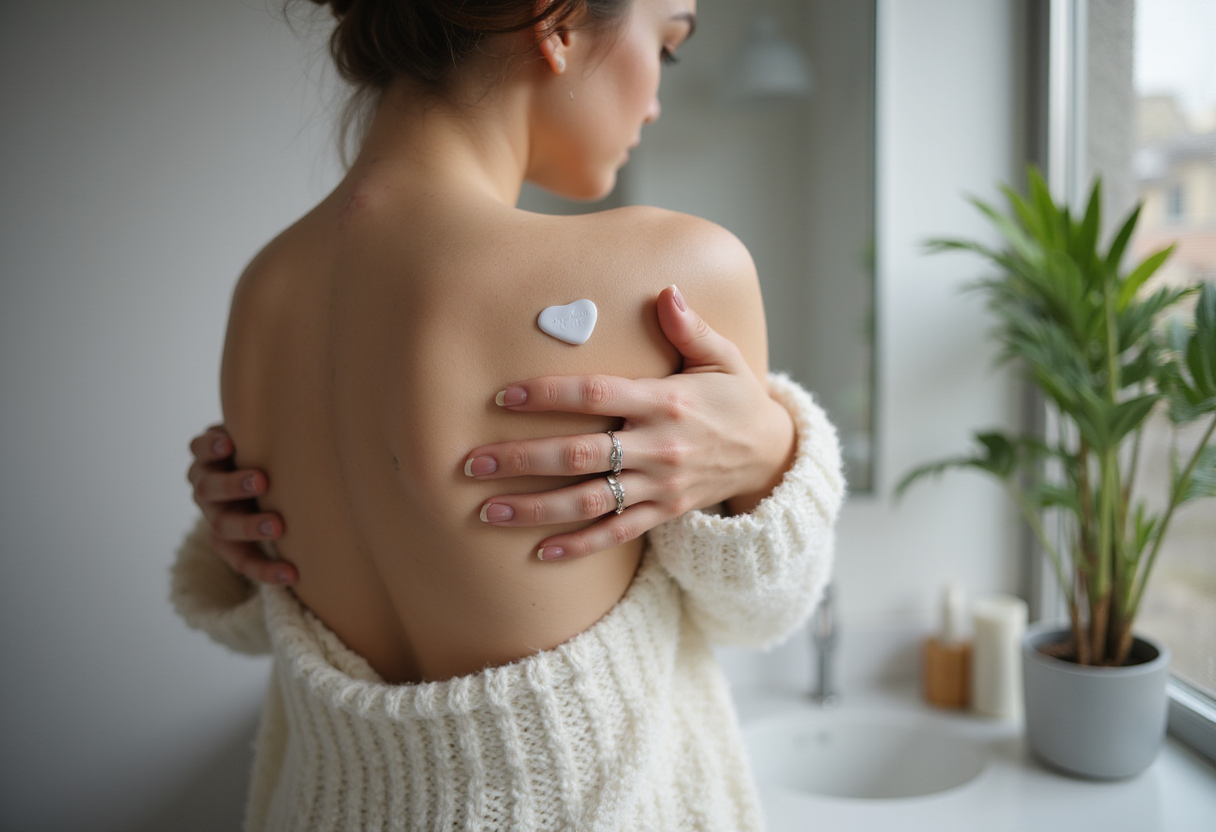
Beauty incubator Maesa has awarded three early-stage founders $35,000 each — a $105,000 total purse — through its 2027 Maesa Magic Incubator class, with the formal close set for January 2027.
The cohort pairs an SPF reapplication technology, a K-beauty hand-care line and a tween-targeted press-on nail brand. For formulators, retailers and compliance teams, the slate signals three categories where indie capital is actively concentrating: wearable sun-care cues, ritual-driven hand treatment and regulated youth manicures.
"Identifying an opportunity and building a scalable beauty company are very different things," Gemi co-founder Erin Choi said. "Programs like Maesa Magic bridge that gap by pairing the ideas and agility of emerging founders with deep industry expertise, helping them make smarter decisions when they matter most."
What does the grant package include?
Each founder receives $35,000 in non-dilutive funding, plus mentorship from industry executives. The cohort runs as a multi-month program, with the formal close scheduled for January 2027. Maesa, which has run earlier Magic classes, positions the incubator as a bridge between concept-stage founders and the operational knowledge required to scale into mass and prestige retail.
Which brands made the 2027 cut?
The three companies target distinct white spaces:
- Beame, founded by Eniye Okah, markets UV-detection face patches designed to cue users when their SPF has degraded.
- Sugar Standard, founded by Monique Claiborne Cardwell, sells press-on manicures positioned for kids and tweens.
- Gemi, co-founded by Hau Yeung and Erin Choi, brings K-beauty skincare vocabulary into a hand-care brand.
What does the SPF patch technology mean for sun-care?
Beame's UV-detection patches sit adjacent to sunscreen rather than compete with it. For buyers, the format invites a new SKU placement opportunity next to sun care rather than within it, and for treatment professionals it offers a client-facing tool for reapplication coaching. The format also gives indie brands a hardware-adjacent entry point into a category traditionally dominated by chemistry-led actives.
Why is K-beauty hand care worth tracking?
Gemi's positioning pulls K-beauty ritual vocabulary — multi-step layering, hydration-led regimens — into a hand-specific line. For procurement teams watching the broader K-beauty pipeline, the brand joins a small but growing cluster of hand-care launches that mirror facial skincare architecture, signaling that hand is becoming a primary treatment zone rather than an afterthought category.
What compliance angles does a tween press-on brand raise?
Sugar Standard operates in one of the more heavily scrutinized youth beauty categories. Press-on manicures marketed to minors invite heightened ingredient scrutiny around adhesives and decorative components, and brand marketing carries extra sensitivity around age-appropriateness. For formulators, the brand signals demand for nail chemistries engineered to tighter youth-safety expectations, where dermatological testing and ingredient transparency carry heavier marketing weight than formulation novelty.
What should suppliers and buyers watch next?
The next concrete data point will be the January 2027 program close, when Maesa typically surfaces cohort progress, pilot retailer listings and any capital raises completed during the cycle. Until then, the test for buyers is whether the three categories — wearable sun cues, K-beauty hand ritual and youth manicures — translate from incubator pitches into sustained shelf velocity. Procurement teams sourcing novelty SKUs for 2027 should expect at least one of the three brands to pilot in specialty or direct-to-consumer channels before mid-2027.
via Glossy (Source)
More from Marcus Bennett
Show full bio
Correspondent covering consumer brands and retail at INCI File.
105 articles
Cross-references · Related articles
- Aïza parent Amaani closes $5M Series A led by BECO Capital
- Stride Consumer Partners Closes $550M Second Fund, Doubles Down on Indie Beauty
- Sofie Pavitt Hits 8 Figures by Skipping Beauty's Branding Playbook
- Ulta Beauty promotes Kristin Wolf to Chief Strategy & Growth Officer
- Rhode, Medicube and Prada Top WWD's 2026 Power Brands
End of monograph · 3 min read