BATCH-2007 · filed
Maesa launches Party of You as Gen Z 'counter-wellness' skin care play
Maesa has launched Party of You, a Gen Z skin care brand positioned around 'counter-wellness' — inverting the ingredient-density marketing template with mood and identity-led briefs.
By Sophie Lindqvist · · 3 min read · 535 words
Composition
- Maesa launched Party of You as a Gen Z-oriented skin care brand, per Cosmetics Business coverage.
- Brand positioning is built around the 'counter-wellness' term, signaling a rejection of clinical-claim marketing.
- Maesa operates as a beauty brand builder and private-label manufacturer with prior mass and masstige launches.
- Specific SKUs, hero ingredients, price points and launch retail partners have not yet been disclosed.
- Incubator-style launches typically test via DTC for 12–24 months before committing to retail distribution.
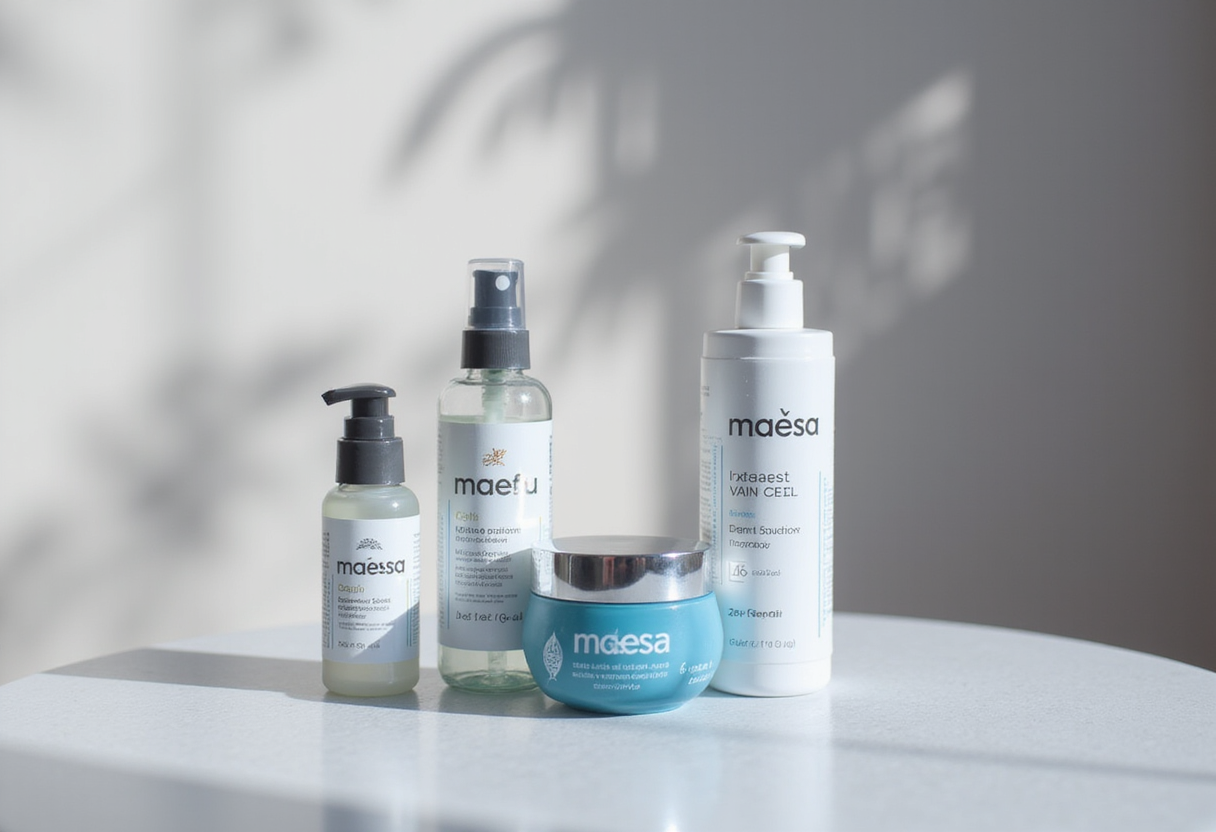
Maesa has launched Party of You, a Gen Z-targeted skin care brand positioned around "counter-wellness," per coverage published by Cosmetics Business.
The brand enters a youth skin care segment where cultural fluency and humor-led packaging have begun displacing the ingredient-density claims that defined the 2015–2022 prestige cycle. Maesa, a beauty brand builder and private-label manufacturer with prior launches across mass and masstige retail, extends that portfolio into a category where digital-native independents have set the commercial pace.
What does "counter-wellness" signal for formulators?
The positioning inverts the wellness-marketing template. Rather than leading on niacinamide percentages, retinol equivalencies or clinical endpoint language, counter-wellness brands typically emphasize sensory experience, mood and social-coded identity. For R&D teams, that often means accepting that the INCI panel is no longer the primary purchase driver, and that the formulation brief is shaped as much by texture, color and fragrance architecture as by actives.
It also reshapes the compliance workload. Claims about mood, joy or "skin freedom" sit in a different regulatory neighborhood than "reduces fine lines by 27%." US cosmetics still answer to FTC advertising substantiation rules and FDA labeling requirements, but the substantiation burden shifts when the claim is experiential rather than measurable. Brands in this lane typically rely on consumer-use studies, social listening or qualitative mood data rather than instrumental clinical endpoints.
Why Gen Z, and why now?
Gen Z consumers have shown measurably lower engagement with traditional prestige skin care language than millennials did at the same age. They have rewarded digital-native brands that combine transparent INCI disclosure with community-coded storytelling, and have also pushed back against the "skinification" of every routine step — opening space for a positioning that explicitly rejects the wellness register.
"Counter-wellness" reads as a direct response to that backlash. Where clean beauty ran on negative claims (no this, free of that), counter-wellness runs on identity and mood — closer to a fragrance or color cosmetics brief than to a clinical serum.
The Maesa model in context
Incubators like Maesa typically test a brand for 12–24 months through direct-to-consumer channels before committing to retail distribution. The launch of Party of You signals an initial audience read rather than a full retail rollout. For buyers at Sephora, Ulta and Target, the relevant data points will be the first 90-day DTC conversion and repeat-purchase numbers, not the launch announcement itself.
For procurement teams, the line's eventual SKU count, hero actives, price architecture and packaging format will determine whether Party of You slots into mass, masstige or prestige distribution. For compliance teams, the watch items are the substantiation files behind any experiential or mood-based claims and the influencer-marketing disclosures tied to the launch.
What to watch next
Maesa has not disclosed Party of You's SKU count, hero ingredients, price points or launch retail partners. The next concrete data point will likely be the brand's DTC site activation or first retailer listing, which typically follows incubator debuts by 30–60 days. Subsequent filings to track include any FDA cosmetic product registration updates and any trademark activity beyond the Party of You mark itself.
via Google News - Skincare Brand Launch (Source)
More from Sophie Lindqvist
Show full bio
Market editor covering marketplaces and e-commerce at INCI File.
78 articles
Cross-references · Related articles
- IMCD to showcase skincare–aesthetics crossover at in-cosmetics Global 2026
- Symrise Adds Cellexora MD to Its Care & Wellness Lineup
- iS Clinical Founders Debut Icon Skincare, Trading on Hollywood Roots
- The Ordinary publishes 'Ingredients' book for formula-literate shoppers
- IMCD to debut seven post-procedure formulations at in-cos Global
End of monograph · 3 min read