BATCH-8504 · filed
Korea Plots K-Beauty Expansion Into AI Skin Analysis and Medical Tourism
Korea plans to extend K-beauty beyond cosmetics into AI skin analysis and medical tourism, Seoul Economic Daily reports, linking diagnostics to treatment and product sales.
By Marcus Bennett · · 2 min read · 481 words
Composition
- Korea plans to expand K-beauty beyond cosmetics into AI skin analysis and medical tourism, per Seoul Economic Daily
- The strategy links AI skin diagnostics, dermatological treatment and cosmeceutical sales into one service chain
- The report gives no budgets, timelines or named agencies yet
- Export markets may treat AI purchase-driving diagnostics under device and claims rules, not only cosmetic regulation
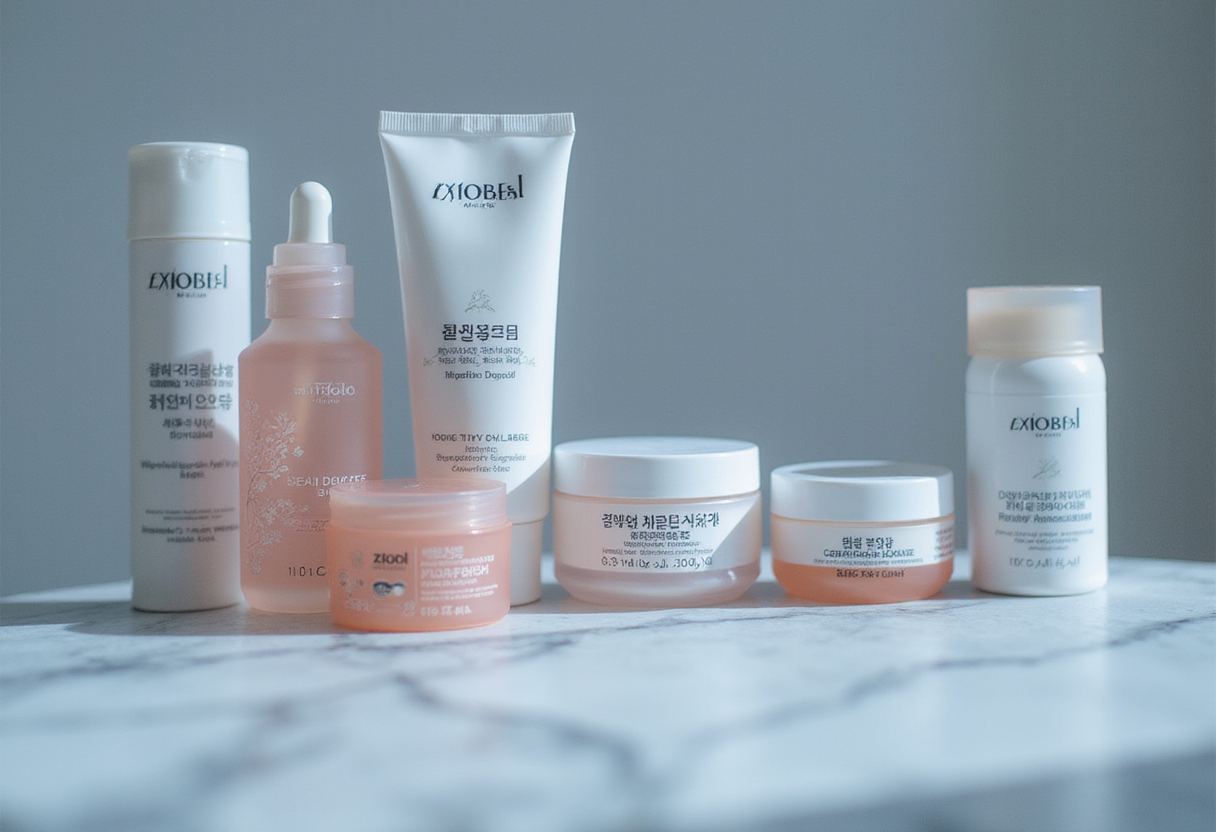
Korea plans to stretch the K-beauty franchise beyond cosmetics and into AI skin analysis and medical tourism, the Seoul Economic Daily reports. The move reframes a category that the world knows chiefly through serums, sheet masks and sunscreen. It now aims to sell diagnosis and treatment alongside the jar.
The report gives little detail on budgets, timelines or named agencies. That absence matters. Trade readers should read this as a policy direction rather than a funded program with a delivery date. Still, the direction itself tells formulators, clinic operators and buyers something concrete about where Korean supply chains and service exports are heading.
What does the shift mean for the cosmetics trade?
K-beauty built its global position on ingredient innovation and fast product cycles. Suppliers of actives, from fermented botanicals to novel UV filters, have ridden that engine for a decade. An official push toward AI skin analysis moves the value upstream from the formula to the data layer.
For brand owners, the practical consequence is channel design. An AI skin analysis platform links a diagnostic reading to a product recommendation. That creates a service wrapper around the INCI list. It also creates compliance work, because skin-analysis software that drives a purchase may fall under device or claims rules in several export markets, not only cosmetic regulation.
For clinics and treatment menus, medical tourism extends the same logic. The customer arrives for a procedure, then leaves with a regimen. Korean manufacturers gain a second route to the consumer that bypasses retail shelf competition entirely.
Why pair AI diagnostics with tourism?
The mechanism is simple. Diagnostics create the reason to travel; travel creates the occasion to diagnose. A tourist who receives an AI-assisted skin assessment in Seoul becomes a candidate for dermatological treatment, then for post-procedure cosmeceuticals. Each stage feeds the next.
That chain suits Korea's existing strengths. The country already runs a large aesthetic-medicine sector and a cosmetics export machine. The reported plan welds the two together under a single national banner.
Procurement teams in Europe and North America should watch for two signals. First, Korean suppliers may bundle diagnostic data services with ingredient contracts. Second, device-adjacent claims will appear more often on export documentation, which raises review workload for regulatory teams.
What should readers watch next?
The Seoul Economic Daily report does not specify which ministries will fund the program, when pilot projects start, or how AI skin analysis tools will be certified. Those are the next data points. A named ministry budget, a pilot clinic list or a certification scheme for diagnostic algorithms would convert this policy sketch into a procurement-relevant program.
Until then, treat the announcement as a strategic signal. Korea intends to compete on diagnosis and treatment, not only on formulation. The first concrete filings, budgets or partner agreements will show how fast that intent turns into product.
via Google News - Cosmetics Regulation (Source)
More from Marcus Bennett
Show full bio
Correspondent covering companies, deals and strategy in professional skincare and cosmetics industry at INCI File.
124 articles
Cross-references · Related articles
- Korea to revamp cosmetics export platform, expand overseas regulatory training
- Coslab Recruits Korean Expert to Build Bangladesh Cosmetics R&D
- ImagineFactory builds AI to automate cosmetic prescriptions in Korea
- South Korea Ingredient Trend Audit Drops at WWD, Trade Lens Turns to Seoul
- Cosmetics & Toiletries Maps K-Beauty's Dual Innovation Strategy
End of monograph · 2 min read