BATCH-7796 · filed
Indie Beauty Dish: Oliveda Nasdaq, Paul Mitchell Sephora, Target Debut
Beauty Independent's Indie Beauty Dish column leads with Oliveda's Nasdaq plans, Paul Mitchell's Sephora distribution deal, and Based Bodyworks' Target debut, mapping three distinct growth arcs.
By Marcus Bennett · · 3 min read · 657 words
Composition
- Oliveda International has begun Nasdaq planning steps, per Beauty Independent's Indie Beauty Dish column.
- Paul Mitchell has signed a Sephora distribution deal, according to the same column.
- Based Bodyworks has staged a Target debut Beauty Independent is calling 'Big.'
- Recent beauty IPOs have clustered in an 8-24 month window from S-1 filing to first trade.
- Target beauty department door counts reach four-digit ranges for top performers.
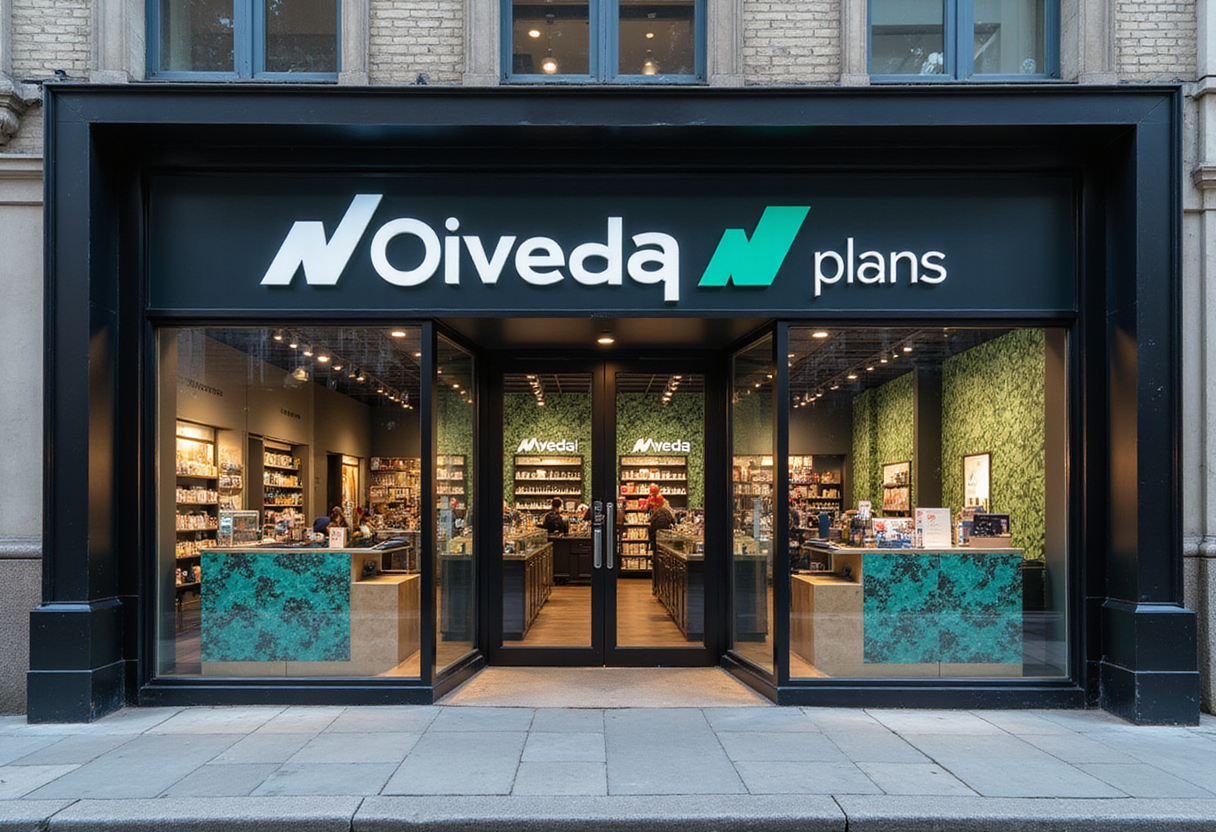
Three of indie beauty's most-watched growth arcs landed in one place this week: Beauty Independent's Indie Beauty Dish column carries Oliveda International's Nasdaq plans, Paul Mitchell's Sephora distribution deal, and Based Bodyworks' Target debut as its three flagship items.
Each maps to a distinct trade lever: public-market capital, prestige channel trade, and mass-market shelf.
What does an Oliveda Nasdaq plan mean for indie capital?
A Nasdaq listing is the most public capital route in beauty, the path that requires audited financials, an SEC registration statement, and the corporate governance infrastructure most indie houses defer until revenue and margin profile clear the thresholds institutional investors demand.
Founders watching from the bench typically read Nasdaq moves as a multiple-expansion play, the route where ingredient-led positioning and category leadership become investable at public-market multiples. The trade-off is disclosure: the SKU-level, supplier-level, and customer-concentration transparency that private brands avoid by default.
For both tools and category players, the trade-off compresses competitive moat as soon as audited financials become public.
The benchmark timeline matters for procurement and partnership planning. Recent beauty listings have clustered in a window that runs from eight to twenty-four months from initial registration statement to first trade. The use-of-proceeds disclosure in any S-1 will surface the next concrete signal — whether the listing is acquisition-fueled or growth-fueled.
Why does Paul Mitchell at Sephora matter for the professional channel?
Paul Mitchell, the heritage professional hair care house, has signed a Sephora distribution deal, according to the column. The deal pulls a salon-channel mainstay into prestige multi-brand retail, a channel the brand has historically worked around rather than through.
Sephora's prestige hair care assortment has long included a mix of professional heritage lines and indie entrants. A Paul Mitchell set would expand the track into the prestige multi-brand channel that Sephora dominates, with decades of salon-channel equity behind the brand.
The trade question is cannibalization. A Sephora SKU at prestige-channel price versus a salon back-bar at professional-channel price is the same calculation professional-only brands have worked through since the mass-prestige crossover era.
The treatment-menu question follows: any salon-only SKU reformulated for prestige retail becomes a back-bar SKU reformulated for retail, with the resulting wholesale-margin compression each channel runs.
For salon owners, the immediate question is whether the Sephora set will cannibalize the existing distribution footprint or extend it. The first signal will land in same-store sales at prestige doors, the earliest comparable window for which is Q3 2025.
What does Based Bodyworks' "Big Target Debut" change for indie body care?
Beauty Independent is calling Based Bodyworks' Target debut "Big." Target's beauty department is the highest-stakes mass debut in U.S. retail, with door counts in the four-digit range for top performers and a private-label program that compresses shelf space for independent entries.
For Based Bodyworks, the math is the standard indie-to-mass equation: forecast accuracy, replenishment rate, and reorder velocity over the first two cycles determine whether a launch converts from initial to permanent door count.
Procurement teams at Target stores require 18-month forward demand forecasts from indie vendors, a constraint that has tripped up first-time mass entrants in past launches.
Body care has tracked above color cosmetics in mass-channel growth for the past several reported quarters, and Target's decision to onboard an indie entrant in the category reflects that shift.
What's next to watch?
The next concrete data point is any Oliveda S-1 filing, the document that will surface revenue, supplier concentration, and use of proceeds. Sephora's Paul Mitchell rollout will register in same-store sales by Q3 2025. Target's Based Bodyworks replenishment rate over the first two reorder cycles will signal whether the door count expands from initial to permanent.
via Google News - Skincare Brand Launch (Source)
More from Marcus Bennett
Show full bio
Correspondent covering consumer brands and retail at INCI File.
105 articles
Cross-references · Related articles
- Baird: Beauty and Wellness M&A Climbs 32% in H1 2026 to 156 Deals
- The Business of Fashion Asks: Where Is the Next Influencer Beauty Blockbuster?
- Buyers From Target, CVS And Space NK Name Standouts At BITE NYC
- Saie and Sephora Roll Out Joint Planet Beautiful Initiative
- Sofie Pavitt Hits 8 Figures by Skipping Beauty's Branding Playbook
End of monograph · 3 min read