BATCH-6842 · filed
In-cosmetics Global 2026: early signals on ingredient direction
Trend signals from in-cosmetics Global 2026 are circulating among formulators and buyers, offering an early map of the ingredients set to shape sourcing and compliance work.
By Rebecca Stone · · 3 min read · 522 words
Composition
- In-cosmetics Global 2026 trend signals are being tracked as a preview of upcoming ingredient directions
- Trend-flagged ingredients typically reach mainstream supplier catalogs within 12–24 months of the show
- Premium Beauty News has published a trend-signal review of the event
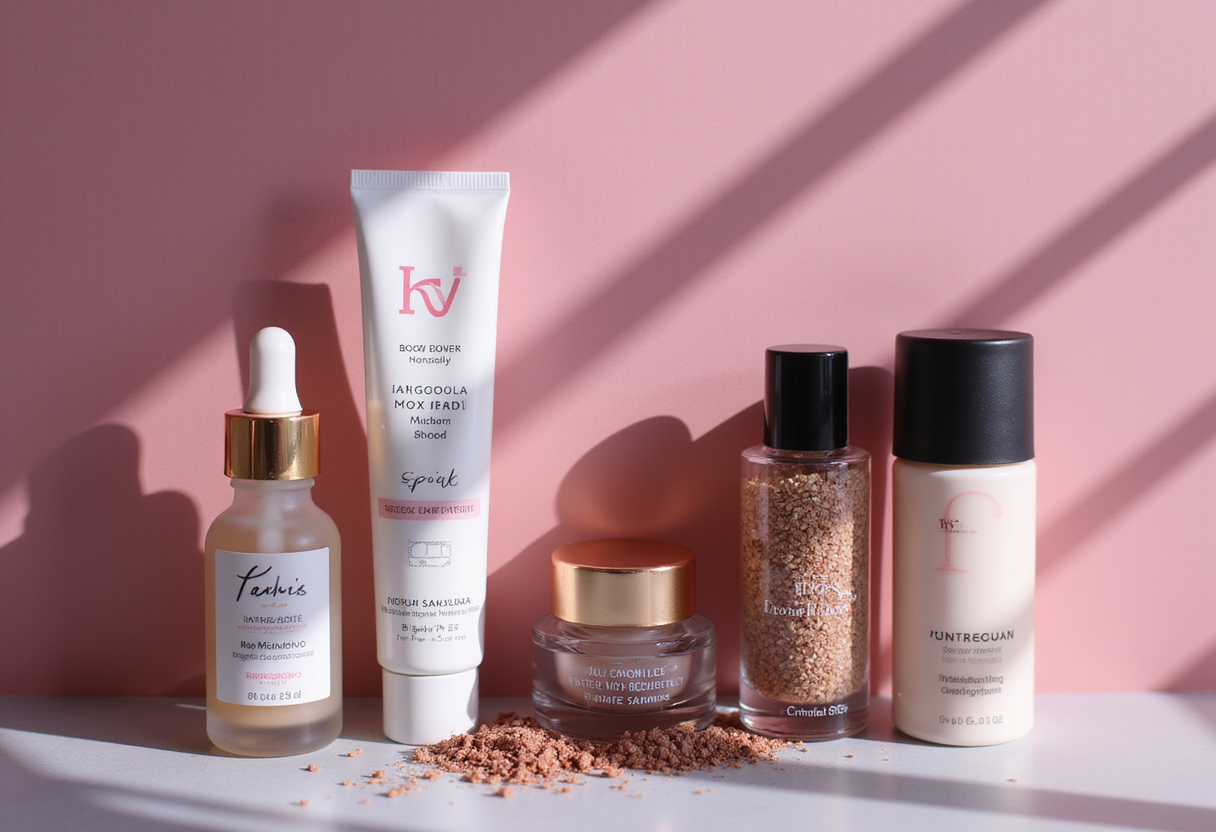
In-cosmetics Global 2026 has become the reference point ingredient teams are using to map their next development cycle, with trend signals from the show now circulating among formulators, buyers and regulatory watchers.
The trade press coverage of the event — surfaced this week through Premium Beauty News — frames the exhibition as a checkpoint for where raw material innovation is heading, and what that direction means for product development pipelines, compliance planning and procurement calendars across the personal care supply chain.
Why does a single show carry this weight? Because in-cosmetics Global has historically functioned less as a product fair and more as a preview of the INCI names that will populate ingredient declarations two to three years out. Suppliers use the event to launch actives, textures and functional ingredients; formulators use it to shortlist candidates; and regulatory teams start scoping the safety and dossier work those new inputs will demand.
What should formulators take from the 2026 signals?
For R&D teams, the practical value of tracking show-driven trend coverage is early screening. A new active class flagged at the event gives formulation groups time to:
- benchmark it against incumbent ingredients in the same claim space;
- assess supplier qualification and dual-sourcing options;
- estimate stability, compatibility and claim-substantiation work before committing to a launch window.
For contract manufacturers and brands with fast innovation cycles, that lead time matters. An ingredient that surfaces as a trend signal in 2026 typically reaches mainstream supplier catalogs — and client briefs — within the following 12 to 24 months. Teams that ignore the signal until the briefs arrive often face compressed timelines on testing and documentation.
What does it mean for procurement?
Buyers watch these trend reports for a different reason: pricing and supply positioning. When an ingredient category gains visibility at a major show, demand tends to tighten as multiple brands qualify the same inputs. Procurement teams that identify the trend early can lock in supply agreements and volume terms before the rush.
The coverage also serves as a competitive-intelligence filter. Which suppliers are investing in which ingredient platforms — and which are stepping back — shapes sourcing conversations well beyond the event itself.
What about compliance planning?
Every trend signal carries a regulatory shadow. New ingredient classes, novel extraction routes or revamped sustainability claims each translate into dossier work: safety assessments, claim substantiation files and, where ingredients are new to major markets, notification obligations under regimes such as the EU Cosmetic Regulation framework.
Regulatory teams that align their annual planning with the show calendar can budget review hours against the ingredient categories most likely to reach formulation desks first.
What comes next?
The concrete detail — named ingredients, supplier launches and study data — sits in the full trend review. The next data points to watch are the post-show supplier announcements and formulation briefs referencing ingredients highlighted at in-cosmetics Global 2026; those will confirm which signals convert into commercial pipeline and which remain exhibition-floor noise.
Note: the underlying announcement is a headline-level summary; readers should consult the full Premium Beauty News coverage for the specific ingredient names and trend categories it identifies.
via Google News - Cosmetic Ingredient (Source)
More from Rebecca Stone
Show full bio
Staff writer covering industry trends and analytics at INCI File.
91 articles
Cross-references · Related articles
End of monograph · 3 min read