BATCH-3206 · filed
First New Sunscreen Category in 25 Years Reaches US Shelves
A new sunscreen type has reached US store shelves for the first time in 25 years, resetting formulation and compliance expectations.
By Marcus Bennett · · 2 min read · 395 words
Composition
- A new sunscreen type has reached US store shelves for the first time in 25 years.
- US formulators had worked from a fixed filter menu since the last approval decades ago.
- The launch creates a regulatory precedent for other pending sunscreen ingredients.
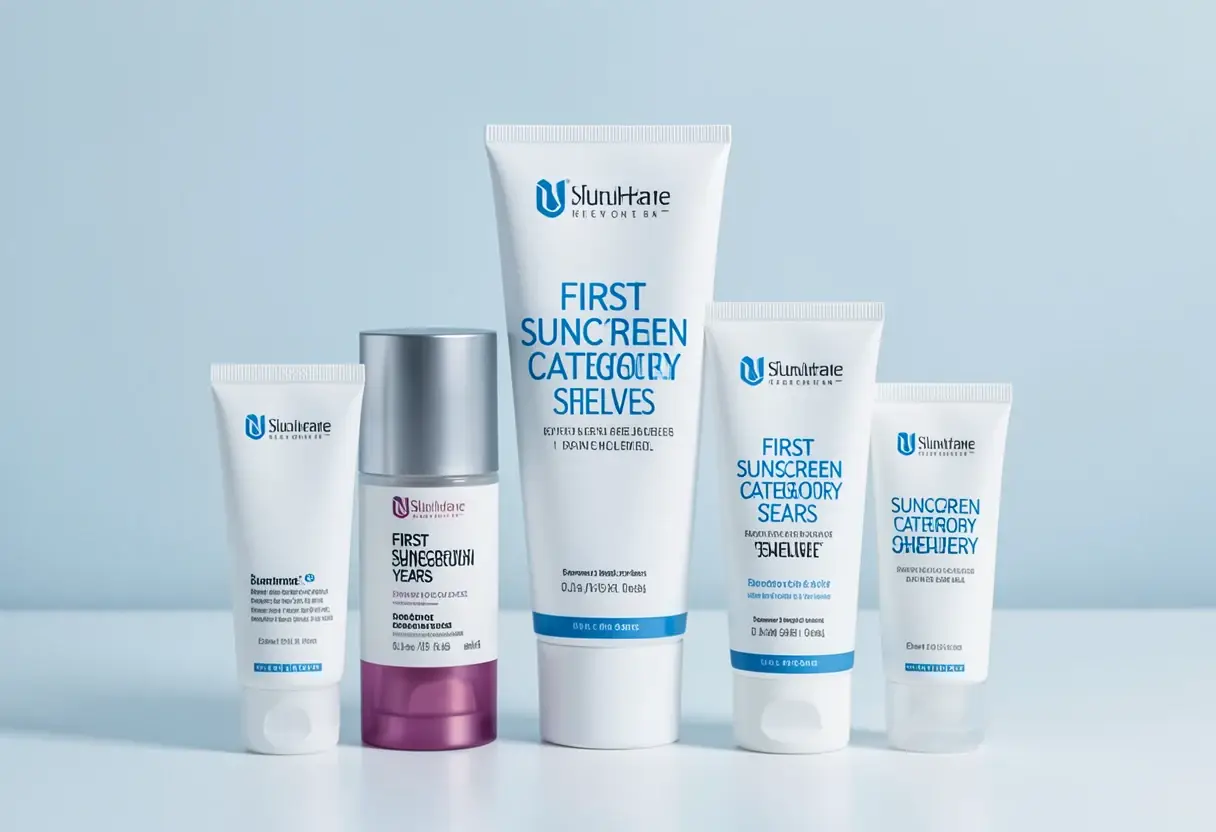
US shoppers can now buy a sunscreen built on a type of active ingredient that has not appeared on American store shelves in 25 years. That is the core fact, and it carries weight far beyond the retail aisle. For formulators, compliance teams and buyers, the arrival of a new sunscreen category ends one of the longest stagnation periods in US personal care regulation.
Why 25 years matters
The US last approved a new sunscreen active decades ago. Since then, formulators have worked from a short, fixed menu of UV filters while markets in Europe and Asia moved ahead with newer molecules. The result was a persistent formulation gap: products sold in Paris or Seoul could not simply be ported to a US shelf.
A new type of sunscreen reaching retail changes that arithmetic. Procurement teams gain a genuinely new input class to evaluate. Formulators gain degrees of freedom they have not had since the late 1990s — new photostability profiles, new texture possibilities, new combinations with existing filters.
The takeaway: this is a category event, not a single product launch.
What does it change for compliance?
Any new sunscreen category entering the US market implies a regulatory pathway that other ingredient suppliers will now study closely. The precedent matters. If one novel filter class cleared the barrier, others waiting in the queue have a mapped route rather than a blank wall.
Compliance workload shifts too. Brands that adopt the new category face labeling, testing and stability documentation that differs from legacy formulations. Regulatory teams should budget for that work now, not after competitors move first.
The takeaway: one approval resets expectations for every pending sunscreen dossier.
What should professionals watch next?
Retail availability is the starting line, not the finish. The next data points are sales velocity in the first two quarters, any adverse-event reporting that follows wider consumer exposure, and whether additional suppliers file to enter the same category. Each of those signals will tell formulators and buyers whether the 25-year dam has truly broken or merely cracked.
For treatment menus and retail buyers, the practical question is simpler: does the new type outperform legacy filters on wear, feel and protection in real-world use? Early consumer verdicts will arrive faster than any clinical follow-up.
The takeaway: watch the follow-on filings — they will confirm whether this opening becomes a stream.
via Google News - Cosmetic Ingredient (Source)
More from Marcus Bennett
Show full bio
Correspondent covering companies, deals and strategy in professional skincare and cosmetics industry at INCI File.
148 articles
Cross-references · Related articles
End of monograph · 2 min read