BATCH-4232 · filed
Estée Lauder cuts Scope 3 emissions 22.7% but EV fleet lags
ELC's FY2026 SI&S report shows Scope 3 down 22.7%, water withdrawal cut 55% and EV fleet conversion at 30.5% — the only off-track goal. Packaging metrics sit just below 2030 targets.
By Amara Osei · · 4 min read · 709 words
Composition
- ELC cut absolute Scope 3 GHG emissions 22.7% in fiscal 2026, on track for 30% by 2030
- Water withdrawal from direct manufacturing fell 55%, exceeding the 50% target from a fiscal 2019 baseline
- Only 30.5% of ELC's global corporate fleet is electric — the sole off-track goal against a 100% target
- Recyclable packaging reached 67% versus a 70%-by-2030 goal; PCR content stands at 21% against 25%
- ELC plans to evaluate 100% of its formulated portfolio with an LCA tool in fiscal 2027
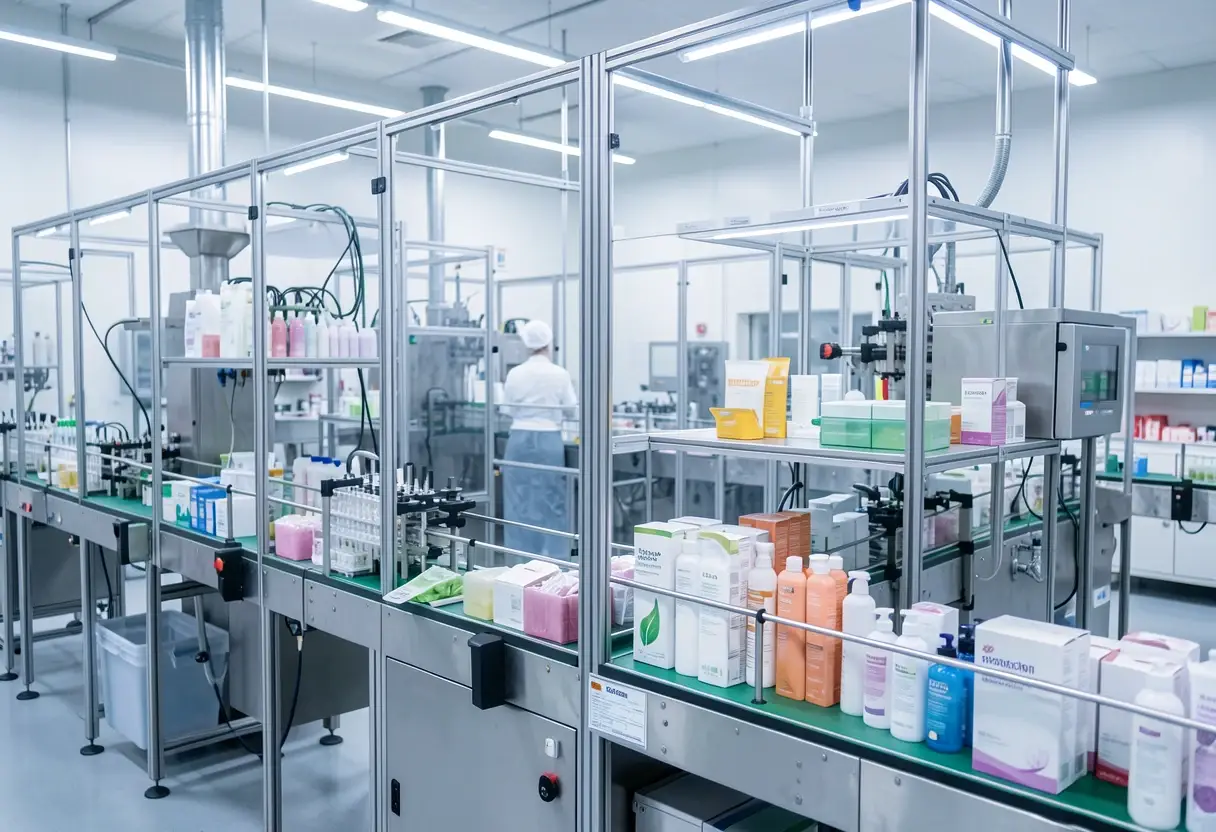
Estée Lauder Companies reduced absolute Scope 3 greenhouse gas emissions by 22.7% in fiscal 2026, yet only 30.5% of its global corporate fleet runs on electric vehicles — the single metric the company itself flags as off track. The figures anchor the beauty giant's Fiscal 2026 Social Impact & Sustainability (SI&S) Report, which grades every goal as met and maintained, on track, or off track.
The report arrives as ELC pushes through "Beauty Reimagined", the turnaround strategy led by President and CEO Stéphane de La Faverie. "Fiscal 2026 marked an important turning point for the Estée Lauder Companies," he said. "Through 'Beauty Reimagined', we reignited growth, improved profitability and accelerated the transformation of our company." He added: "How we grow matters just as much as the growth we achieve."
Where does ELC stand on climate and energy?
By 2030, ELC aims to cut absolute Scope 1 and 2 GHG emissions by 50% from a fiscal 2018 baseline. It reached a 44% reduction in 2026 — six points short of the endpoint, but still graded on track. "The primary downward driver was a reduction in our use of natural gas in manufacturing, offices and freestanding stores," the company stated.
Scope 3, also on track, must fall 30% by 2030 against the same baseline; ELC credited reduced transportation activity and capital expenditures, plus improved data collection methodology, for the 22.7% drop.
The fleet electrification target — 100% EV — sits at 30.5% and is the report's only off-track designation. ELC said progress is advancing most in markets with mature EV infrastructure and lagging elsewhere.
One climate goal is fully met: 100% renewable electricity for direct operations. ELC sources it through on-site generation, utility contracts, energy attribute certificates and a virtual power purchase agreement.
Which targets did ELC exceed?
Water and waste both outperformed. ELC cut absolute water withdrawal from direct manufacturing sites by 55%, beating its ambition of at least 50% from a fiscal 2019 baseline, with focus on high and extremely high water-stressed sites. "Our water withdrawal reduction improved significantly, driven mainly by the decommissioning of a water-intensive system," the report reads.
Waste from direct manufacturing and distribution sites fell 33% against a fiscal 2023 baseline — well beyond the 15% ceiling set for 2040 — through operational efficiencies, prevention, reuse and recycling.
Palm sourcing also exceeded target: 97% of palm-based ingredients came from RSPO-certified sustainable physical supply chains against a floor of 95%.
What does the packaging scorecard show?
Packaging, ELC's second largest environmental focus area, is almost entirely on track but short of endpoints:
- Recyclable packaging: 67% against a 70%-by-2030 goal
- Refillable or reusable packaging: 3% against a 6% goal
- Post-consumer recycled content: 21% against 25% by 2030
- Responsibly sourced forest-based fibre in paper packaging: 94% against 95%
- Non-virgin petroleum content in plastic packaging: 19% against 50%
The report cites differing recycling infrastructure, technical feasibility and evolving regulatory requirements across markets as constraints. On PCR, it states: "Cost pressures limited the addition of PCR in some areas," adding that ELC is leveraging advanced recycling, bio-based resins and alternative formats.
What is new on transparency and social goals?
For fiscal 2027, ELC has set a fresh goal: evaluating 100% of its formulated product portfolio with a life cycle assessment (LCA) tool. It will also maintain its online ingredient glossary.
On social investment, ELC has committed $16.5m of a $50m pledge by 2030 supporting women's and girls' health, education, leadership and entrepreneurship. Employee giving reached $2.5m of a $10m programme target.
Safety marked a first: ELC met and maintained a Total Recordable Incident Rate of at least 0.15 for the first time in 2026.
Chief Sustainability Officer Nancy Mahon, appointed in 2023 as ELC's first CSO, framed the work as core strategy: "Our social impact and sustainability work comes to life through the decisions we make every day: how we develop our products, select materials, operate our facilities and support our communities."
For procurement and formulation teams, the near-term watch items are the fiscal 2027 LCA rollout across the full portfolio and whether non-virgin plastic content, now at 19%, closes the gap toward 50% as advanced recycling capacity comes online.
via media.elcompanies.com (Original)
More from Amara Osei
Show full bio
News editor covering technology and product news in professional skincare and cosmetics industry at INCI File.
129 articles
Cross-references · Related articles
- Estée Lauder UK Plots Growth Levers After 'Beauty Reimagined' Close
- Estée Lauder, Schneider Electric Open Up on Packaging Roadmaps
- Deloitte Turns Its Lens on Beauty's Sustainability Ledger
- Cosmetic Valley names 2026 Cosmetic Victories winners, sustainability in focus
- Climate Week NYC 2026: What It Means for Beauty Sustainability
End of monograph · 4 min read