Filed
Dior Tops AI Fragrance Picks at 60.8%; La Roche-Posay Rules Skincare
AI Brand Barometer's first ranking of 6,551 chatbot responses puts Dior first in fragrance at 60.8%, La Roche-Posay first in skincare and NYX on top in make-up, with sharp platform splits.
By Amara Osei · · 4 min read · 787 words
Composition
- Dior led AI-recommended women's fragrance with 60.8%, ahead of Chanel at 55.2% and Guerlain at 47.3%
- La Roche-Posay topped women's skincare at 46.2% and unisex skincare at 46%
- Horace scored 80.7% with Gemini in men's skincare but just 10% with ChatGPT and 2.8% with Claude
- 100% of fragrance gifting responses mentioned a high-end brand; 89% in skincare gifting versus 36.9% for general skincare advice
- The study analysed 6,551 responses across 182 scenarios between 2 and 11 November 2026; next edition due 15 December 2026
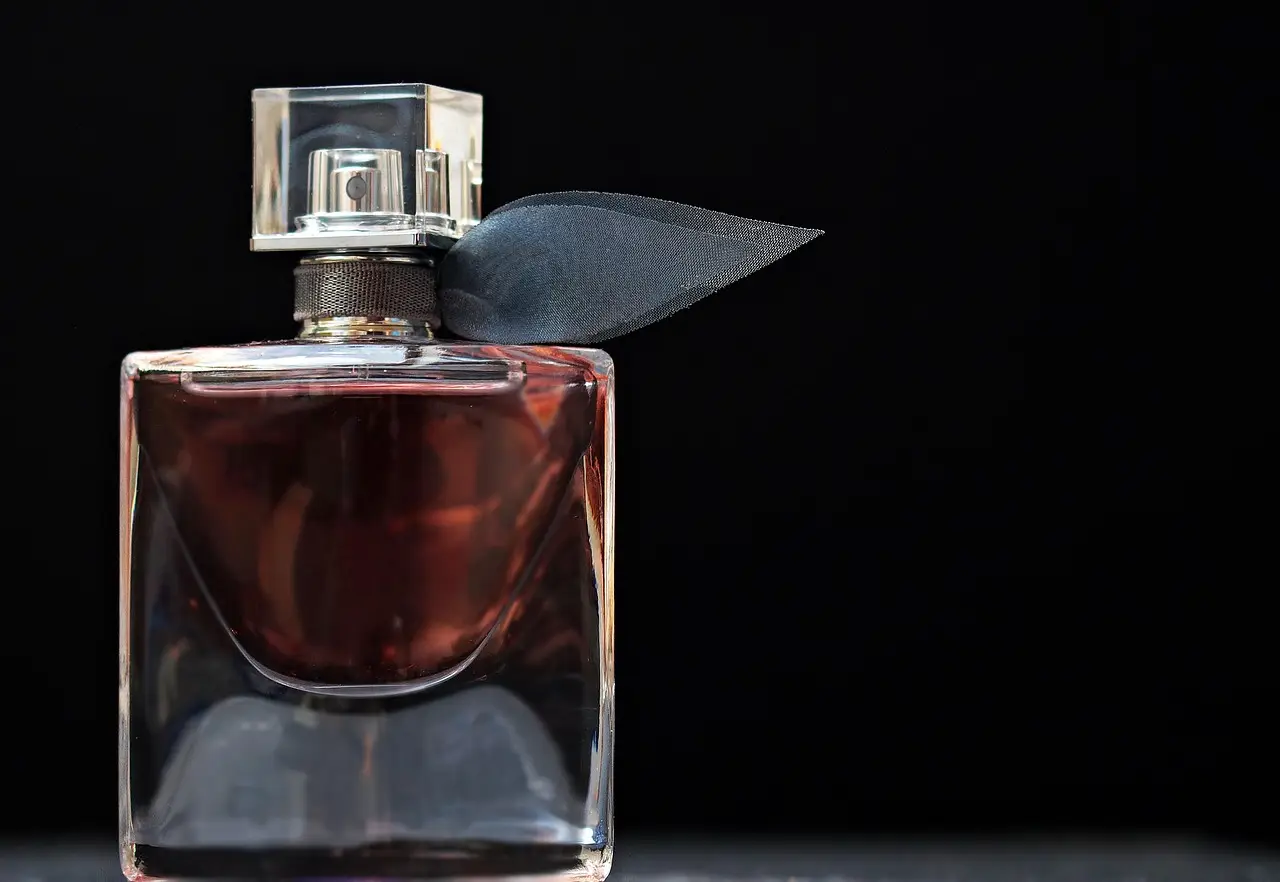
Dior scored 60.8% of AI assistant recommendations in women's fragrance, leading the first monthly AI Brand Barometer ranking, which analysed 6,551 responses from ChatGPT, Gemini and Claude to pre-purchase beauty queries in France. The same study places La Roche-Posay first in both women's skincare, at 46.2%, and unisex skincare, at 46% — evidence that AI assistants reward different brand tiers depending on the category, not simply prestige across the board.
The ranking, published by Paris-based AI Brand Barometer, drew on 182 shopping scenarios based on searches observed on Google, tested across three AI assistants on four measurement dates between 2 and 11 November 2026. Each scenario was submitted three times per assistant on each date, and a second AI reviewed a sample of 200 responses per category. The combined index weights ChatGPT at 60%, Gemini at 30% and Claude at 10%, with individual platform rankings also published.
What do the rankings show by category?
In women's fragrance, luxury and premium brands took all five leading positions: Dior at 60.8%, Chanel at 55.2% and Guerlain at 47.3%. Skincare told a different story. La Roche-Posay led women's skincare with 46.2% and unisex skincare with 46%, with CeraVe and Bioderma also featuring prominently — dermocosmetic and mass brands, not couture houses.
Make-up favoured the mass market outright. NYX topped the ranking at 29.4%, with Maybelline close behind at 27.7%. Dior was the highest-placed luxury make-up brand, third at 20.8%.
The category splits matter for brand and retail strategists: a prestige positioning that wins in fragrance does not automatically carry into skincare or colour cosmetics on AI platforms.
How much do platforms differ?
Considerably. While four brands appeared in the top five across all three assistants in women's fragrance, only one brand — La Roche-Posay — featured in the top five of all three platforms for men's skincare.
The sharpest example is Horace. The men's grooming brand achieved an 80.7% recommendation score with Gemini in men's skincare, but only 10% with ChatGPT and 2.8% with Claude. A brand can dominate one assistant and be nearly invisible on another, which means procurement teams and marketers tracking "AI visibility" need platform-level data, not a single blended figure.
Does gifting change the recommendations?
Yes, and in favour of prestige. Across fragrance gifting scenarios, 100% of responses mentioned at least one high-end brand from selective retail, against 95.4% for other fragrance advice requests. Chanel and Dior ran neck and neck as the most frequently mentioned brands in gifting recommendations.
In skincare the gifting gap was wider still: 89% of gifting-related responses mentioned at least one high-end brand, compared with 36.9% for other skincare advice requests. For prestige brands, gift-season queries may offer a visibility channel that everyday advice requests close off — a concrete angle for seasonal campaign planning ahead of Black Friday and Christmas.
The commercial stakes are growing. Research published by the IBM Institute for Business Value and the National Retail Federation in January 2026 found that 45% of consumers across 23 countries already use AI for assistance during their shopping journey.
The AI Brand Barometer team stated its purpose plainly: "Before buying, people also ask an AI for advice. Our role is to show every month, with a public method, which brands these assistants mention."
What does this change for beauty professionals?
For brand managers, the findings argue for treating AI visibility as a measurable channel alongside search and social. For retailers and salon owners, the platform-by-platform divergence — Horace's 80.7% on Gemini versus 2.8% on Claude — shows that assortment and recommendation claims seen by consumers may differ sharply depending on which assistant they consult. Independent professionals advising clients on product choices face the same fragmentation.
The study carries caveats worth noting. AI Brand Barometer stresses that its results reflect brand mentions within its specific methodology and do not measure product quality, sales performance or overall consumer preference. The research used the platforms' official API access with web search enabled, so results may differ from what consumers see when using the apps directly. The rankings are free to access, with more detailed commercial reports available to brands.
What does this change for marketing budgets? It shifts part of the discovery battle from shelf and search engine to the training data and retrieval behaviour of three chatbots — with a published monthly scoreboard to track who is winning.
The next edition lands on 15 December 2026, extending coverage to fashion, leather goods, jewellery and watches — the first data point that will show whether the beauty category patterns hold beyond cosmetics.
via professionalbeauty.co.uk (Source)
More from Amara Osei
Show full bio
News editor covering technology and product news in professional skincare and cosmetics industry at INCI File.
151 articles
Cross-references · Related articles
- Evidence-Based Claims Become the New Baseline as AI Reshapes Beauty Search
- AI-First Clinical Skincare Brand Ludient Enters U.S. Market
- Mintel 2027: Beauty Products Alone Will No Longer Win
- Chinese beauty brands turn to AI as next structural growth lever
- Bogart Group posts €114.7M H1 revenue, down 7.4% as retail drag offsets fragrance pillar
End of monograph · 4 min read