BATCH-8708 · filed
Debut launches AI platform for biotech-derived cosmetic ingredients
Debut has rolled out an AI platform for discovering, engineering and scaling biotechnology-derived cosmetic ingredients. Procurement and compliance teams will look for benchmark numbers, partner filings, and pricing before adopting.
By Sophie Lindqvist · · 3 min read · 618 words
Composition
- Debut launched an AI platform dedicated to discovering, engineering and scaling biotechnology-derived cosmetic ingredients
- The platform targets the handoff gap between strain engineering, fermentation optimization, and analytical characterization for safety dossiers and INCI filings
- Debut has not yet published technical specifications, cycle-time benchmarks, partner names, integration details, or pricing
- Procurement teams will need a documented technical sheet, candidate list, and reference customer filings to benchmark cost, lead time, and dossier quality
- Next data points to watch include Debut's first published benchmark and ingredient-candidate catalog release
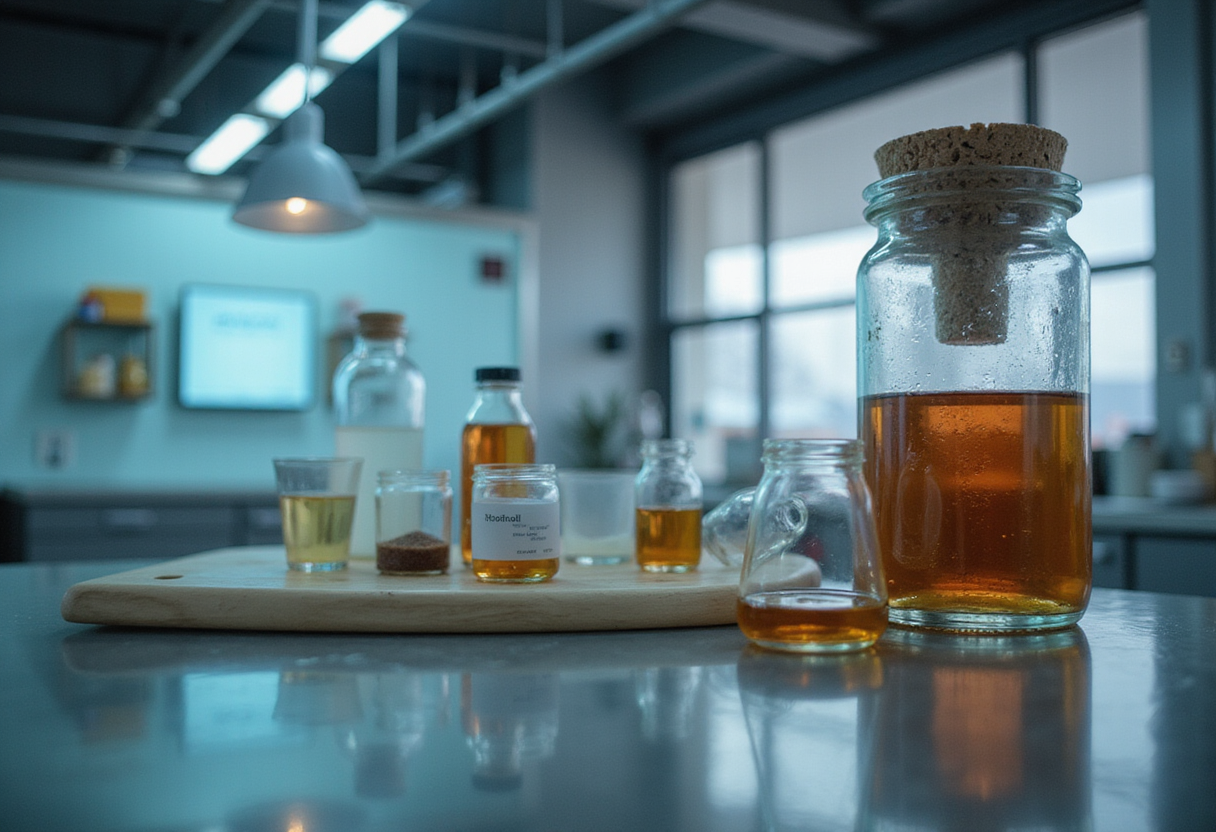
Debut has launched an artificial-intelligence platform dedicated to discovering, engineering and scaling biotechnology-derived cosmetic ingredients, the supplier disclosed this week through Personal Care Insights.
The release places a computational product directly in front of personal care R&D teams who have been working through a slow, multi-stage loop: lab-scale bioactive screening, fermentation process development, and commercial-scale, regulation-ready manufacture. Debut's stated pitch is that the AI platform compresses that loop and produces a single data record from gene sequence to finished active.
That positioning places Debut in a small but growing cohort of biotech-native suppliers marketing precision-fermentation and enzyme-catalyzed actives to personal-care brands.
What problem does the platform address?
Biotech-derived actives - peptides, proteins, postbiotics, polyphenols, rare flavonoids, microbially produced oils - typically move through three disconnected workstreams: strain engineering, fermentation optimization, and analytical characterization for safety dossiers and INCI filings. Each stage uses a different software stack, and handoffs between teams are the most common cause of slipping timelines.
A single data record means that regulatory dossiers, COGS models, and ingredient spec sheets can be generated from one source of truth rather than re-keyed at each hand-off. For reformulation projects and routine post-launch spec updates, that could remove weeks of cross-functional review.
What it changes for procurement and compliance
Procurement and compliance leads know the consequences of disconnected development stages: COGS volatility between lab sample, pilot batch, and production run; inconsistent minimum order quantities; and stalled documentation at the brief-to-quote stage. A platform that consolidates the streams could in principle tighten COGS forecasting, support cleaner ISO 16128 natural-origin documentation, and shorten the brief-to-production cycle.
The compliance workload angle matters as well. ISO 16128, the EU's cosmetic regulation framework, and certification programs such as Ecocert and COSMOS each impose different evidence requirements for natural-origin and organic claims. Suppliers that capture fermentation, characterization, and traceability data in one place simplify the audit trail those schemes demand.
Why the launch lands now
The cosmetic-ingredient market for biotech-derived actives has expanded under two pressures: tightening regulation around ingredient claims and consumer demand for traceable, sustainably sourced actives. ISO technical-committee work on biotechnology-derived cosmetic ingredients is in progress, and suppliers that can document fermentation pathways cleanly - rather than solvent-heavy plant extraction - are likely to gain preference in upcoming sourcing briefs.
Debut's entry also underscores a broader shift: ingredient suppliers are competing on data infrastructure, not just on chemistry. Expect more platform launches of this kind through 2026.
What Debut has actually disclosed
The supplier has not yet published technical specifications: no algorithm names, no benchmark on cycle-time reduction, no integration partner list, and no pricing model for finished actives. Procurement teams comparing Debut's offering against existing in-house informatics tooling will need a documented technical sheet, a published ingredient-candidate list, and reference customer filings before they can benchmark on cost, lead time, or dossier quality.
What to watch next
- A published inventory of the ingredient classes the platform is screening, and which entries already carry GRAS, REACH, or Ecocert/COSMOS-aligned filings
- Benchmark data: cycle time from sequence design to gram-scale sample, and unit-cost ranges for finished actives
- Named commercial partners and minimum order quantities disclosed for the next contract cycles
- Statements from Ecocert, COSMOS, or the USDA BioPreferred program on whether AI-documented fermentation dossiers meet current audit standards
For now, the launch confirms that the cosmetic-ingredient supply chain is consolidating around data infrastructure as much as around chemistry. The next data point to monitor is Debut's first published benchmark, expected alongside its next ingredient-candidate catalog release.
via Google News - Cosmetic Formulation (Source)
More from Sophie Lindqvist
Show full bio
Market editor covering marketplaces and e-commerce at INCI File.
78 articles
Cross-references · Related articles
- Abolis Biotechnologies launches platform for microbial cosmetic ingredients
- Abolis launches MINE platform to accelerate microbial ingredient discovery
- AI Reshapes Beauty Ingredient Discovery, Cosmetics Business Reports
- AI Startups Take On Beauty Compliance as Global Rules Multiply
- Grant Industries Rolls Out 'Albert' AI Formulation Assistant
End of monograph · 3 min read