BATCH-4693 · filed
Columbus Community Hospital launches med spa, adds esthetician services
Columbus Community Hospital has added med spa and esthetician services, joining the growing cohort of U.S. hospitals entering medical aesthetics with full clinical procurement frameworks.
By Sophie Lindqvist · · 2 min read · 486 words
Composition
- Columbus Community Hospital has added med spa and esthetician services, the Columbus Telegram reported this week.
- The hospital is based in Columbus, Nebraska, an east-central Nebraska acute-care facility.
- Hospital procurement standards require SDS sheets, certificates of analysis, sterilization validation, and FDA 510(k) clearance where devices apply.
- Nebraska esthetician scope of practice is set by state statute and can be expanded under physician delegation via standing orders.
- Industry-standard injectable gross margins sit north of 70 percent at wholesale; laser margins run 60-80 percent after device depreciation.
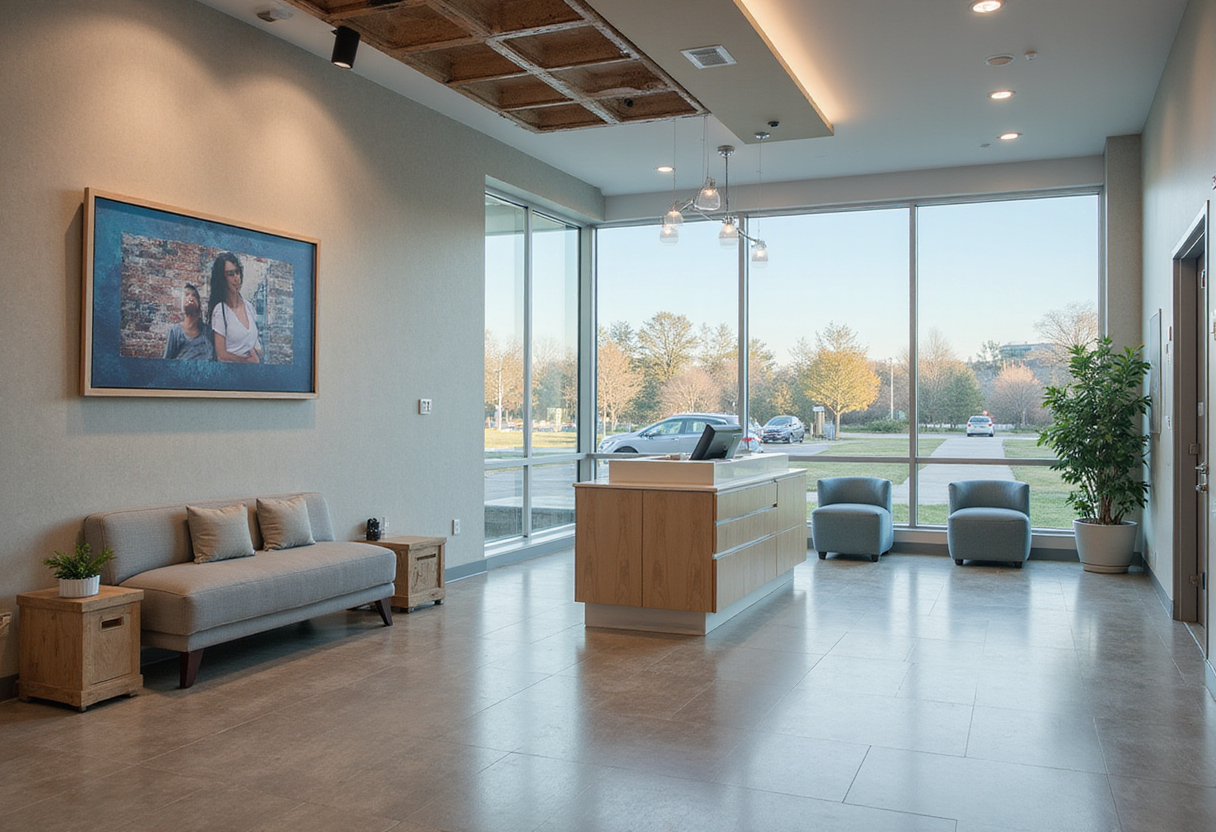
Columbus Community Hospital, an acute-care facility in east-central Nebraska, has added med spa and esthetician services, the Columbus Telegram reported this week. The move extends a hospital system into the medical aesthetics category and signals a continued shift of secondary-market acute-care operators into elective skincare.
What does the announcement actually include?
The Telegram's headline confirms two additions: a med spa operation and a licensed esthetician service line. The paper has not yet published a service menu, price list, or staff roster. Trade readers should treat specifics as forthcoming.
Hospital-based med spas typically bundle neuromodulator and filler injectables under medical direction, laser and light-based treatments, chemical peels at medical-grade concentrations, microneedling, and adjunctive skincare retail. Esthetician-led services usually cover extractions, facials, brow shaping, lash work, and pre- and post-procedure skincare.
Why does this matter to formulators and buyers?
Hospital procurement runs tighter than standalone med spa purchasing. Pharmacy and therapeutics committees review every SKU. Vendors must produce SDS sheets, certificates of analysis, sterilization validation, and FDA 510(k) clearance where devices apply. Indie brands without that paperwork do not make the formulary.
The buyer at Columbus Community Hospital will likely consolidate purchasing through a primary distributor and trim SKU counts for audit ease. Expect retail shelves stocked with clinical-positioned lines: ceramide systems, mineral SPF, post-procedure balms. Expect fragrance flagged or reformulated down.
Why are hospitals entering this space at all?
Three pressures converge. First, elective aesthetic revenue offsets low-margin primary care. Second, integrated records let a hospital track a dermatology patient through surgical, oncology-adjacent, and wellness touchpoints without referral leakage. Third, estheticians get a clinical pipeline that independent spas cannot match.
Procedure margins drive the model. Injectable gross margins sit north of 70 percent at wholesale. Laser treatment margins run 60 to 80 percent once device depreciation is amortized. Even after staffing and facility overhead, contribution per visit commonly exceeds the hospital outpatient average.
What compliance angles should flag early?
Esthetician scope of practice varies by state. Nebraska licenses estheticians through the Department of Health and Human Services, with practice boundaries set by statute. Hospital settings can authorize expanded scopes under physician delegation, but each task needs a standing order on file.
For formulators selling into this channel: confirm claim substantiation for "medical-grade" language, which the FDA has not defined and which state regulators handle unevenly. Mislabeling a cosmetic as a drug creates recall exposure.
What to watch next
Trade readers should monitor four data points. One, the published service menu with named procedures and price bands. Two, the supervising physician and lead esthetician credentials on the hospital website. Three, any supplier press release tied to the launch. Four, patient volume at the 60-day and 90-day marks, which signals whether the channel scales.
Hospitals do not enter medical aesthetics as a side project. They enter it as a service line.
via Google News - Esthetician News (Source)
More from Sophie Lindqvist
Show full bio
Market editor covering regulation, policy and their impact on professional skincare and cosmetics industry at INCI File.
86 articles
Cross-references · Related articles
End of monograph · 2 min read