BATCH-5946 · filed
2026 Spa Outlook: Medical Spas, Longevity and Travel Shape the Market
Medical spas, longevity programming and spa tourism define the 2026 outlook, shifting menus toward clinical protocols and retreat-style programs with heavier compliance demands.
By Marcus Bennett · · 3 min read · 696 words
Composition
- Medical spas continue to gain market share heading into 2026, pulling spa services toward clinical, protocol-driven delivery.
- Longevity is shifting from marketing language into structured treatment programs with multi-session design and outcome measurement.
- Spa tourism is recovering as a primary booking driver, positioning the spa as a destination decision rather than an amenity.
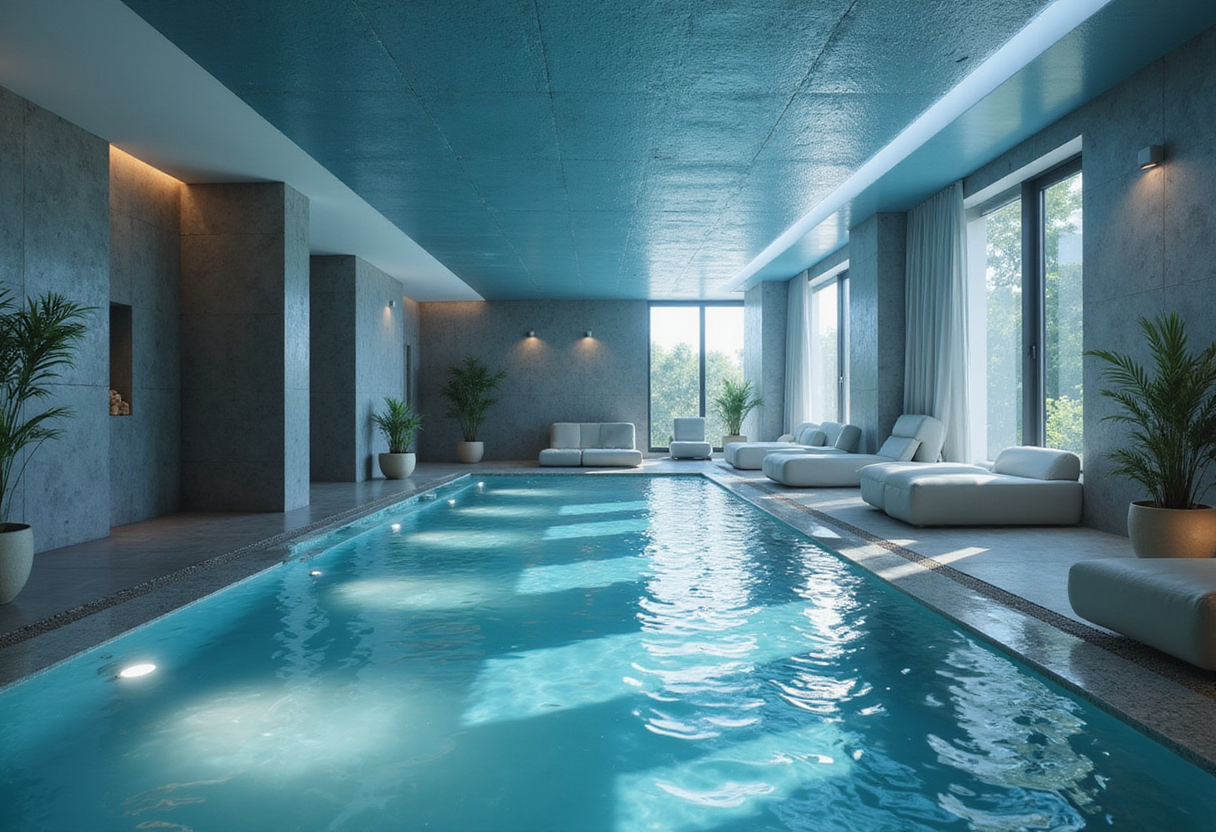
The headline trends for the 2026 spa season are now clearly drawn: medical spas keep gaining share, longevity programming moves from marketing language into core treatment design, and spa tourism is recovering its pull as a booking driver. Emma Näpänkangas, writing for Hotel News Resource, frames these three currents as the defining story of the year ahead for spa operators and their suppliers.
For professionals who build treatment menus, buy equipment and formulate retail lines, the significance lies in how these trends converge. A medical spa that markets longevity services is, in practice, demanding clinical-grade devices, evidence-backed actives and staff who can deliver protocol-driven treatments — a very different procurement and compliance profile from a traditional wellness spa.
Medical spas keep pulling the market toward the clinical
The medspa segment has been the growth engine of the spa business for several years, and the 2026 outlook extends that trajectory. For formulators and treatment developers, this means continued demand for products that can sit alongside energy-based devices, injectables and physician-supervised protocols. Buyers should expect scrutiny of claims support, sterility and stability data — the medspa channel tolerates less marketing latitude than the destination-spa channel.
For compliance teams, the medical-spa blend raises persistent jurisdictional questions: who may perform which treatment, under whose supervision, and which product claims cross into therapeutic territory. Operators expanding in this direction in 2026 will carry a heavier regulatory workload than traditional spa owners, and suppliers that simplify that workload — with clear documentation and substantiated claims — gain a procurement edge.
Longevity moves from buzzword to treatment architecture
Longevity has become the industry's dominant narrative, and the 2026 trend analysis suggests it is now structuring how spas design programs rather than merely decorating brochures. For spa directors, that translates into multi-session protocols, measurement and follow-up — services built around cumulative outcomes rather than single visits.
For product developers, longevity positioning pushes demand toward ingredients and formulations with credible mechanisms: cellular repair, mitochondrial support, sleep and recovery. The formulation challenge is substantiation. In a longevity frame, guests increasingly expect markers, testing or at least a coherent evidence story, which favors suppliers investing in clinical work and penalizes thin claims.
Treatment menus will likely reflect this shift through tiered programs — assessment, intervention, re-assessment — that resemble clinical pathways more than à la carte pampering. Staff training becomes a cost center operators cannot defer.
Spa tourism returns as a demand driver
The third pillar of the 2026 outlook is spa tourism. Travelers are again booking destinations around the spa proposition itself, which changes the economics for resort and hotel operators: the spa becomes a primary reason to book rather than an amenity.
For procurement teams at destination properties, that raises the stakes on amenity quality, retail assortment and program distinctiveness. A spa that anchors travel decisions must differentiate, and differentiation increasingly comes from proprietary protocols, signature product lines and destination-specific treatments — all of which require supplier partnerships earlier in the planning cycle.
Spa tourism also lengthens the guest relationship. Multi-night stays allow staged treatment programs, which dovetails with the longevity trend: a seven-day longevity retreat is a more credible product than a stand-alone 60-minute session promising the same outcome.
What the convergence means for suppliers and operators
Read together, the three trends point to a spa market in 2026 that is more clinical, more programmatic and more travel-driven. That combination rewards businesses that can operate across categories — a medspa offering longevity retreats to an international clientele — and squeezes operators still selling undifferentiated relaxation.
For ingredient suppliers and formulators, the actionable read is demand for efficacy documentation, protocol-ready formats and support for multi-treatment programs. For equipment makers, the medspa and longevity currents continue to favor devices with reproducible outcomes. For spa and hotel operators, the watch items are staffing capability, regulatory exposure in the medical segment and the cost of building retreat-style programming.
The 2026 season will show whether longevity programming converts into measurable guest retention and higher per-guest revenue, or remains a premium veneer. That commercial test — repeat bookings and program adherence — is the next data point the trade should watch.
via Google News - Spa Industry News (Source)
More from Marcus Bennett
Show full bio
Correspondent covering consumer brands and retail at INCI File.
105 articles
Cross-references · Related articles
- Medical Spa Market Heads Toward USD 44.83 Billion by 2032
- US spa industry revenue climbs US$1bn, ISPA 2026 study shows
- Aesthetics Pivots to Multi-Year, Personalized Patient Plans
- Trifecta Collective Acquires Medical Spa Show From AmSpa
- Thai health tourism hits THB 670 billion, lifting spa and wellness demand
End of monograph · 3 min read